
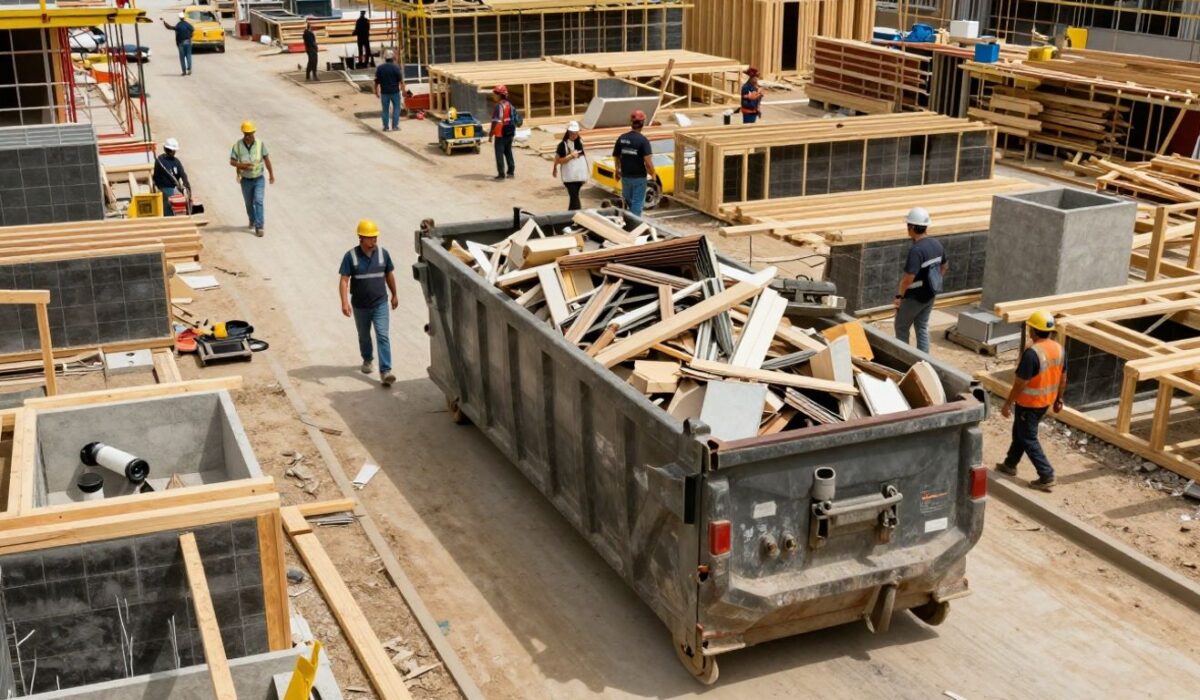
Every construction project, no matter how small, produces waste. Framing scraps, broken drywall, old shingles, packaging material, and chunks of concrete pile up fast, and if there’s no plan for handling it, that pile quickly becomes a bottleneck. Crews trip over debris, deadlines slip, and the site starts to look less like a jobsite and more like a landfill.
This is where construction debris removal becomes a serious operational decision, not an afterthought. Contractors and property owners have a few options for getting rid of waste — hauling it themselves, hiring a junk removal crew trip by trip, or renting a dumpster and letting it sit onsite until the job is done. Of these, dumpster rental consistently comes out ahead. Here’s why.
What Counts as Construction Debris
Before looking at removal methods, it helps to define what you’re actually dealing with. Construction debris typically includes:
- Wood scraps, lumber, and pallets
- Drywall and plaster
- Concrete, brick, and masonry
- Roofing materials like shingles and tar paper
- Metal piping, wiring, and fixtures
- Insulation and packaging
- Flooring materials, including tile and carpet
Some of these materials are heavy, some are bulky, and some — like certain insulation or treated wood — require specific disposal handling. A removal system needs to accommodate all of it without requiring the crew to sort through what’s going where every time something gets thrown out.
Why DIY Debris Removal Falls Short
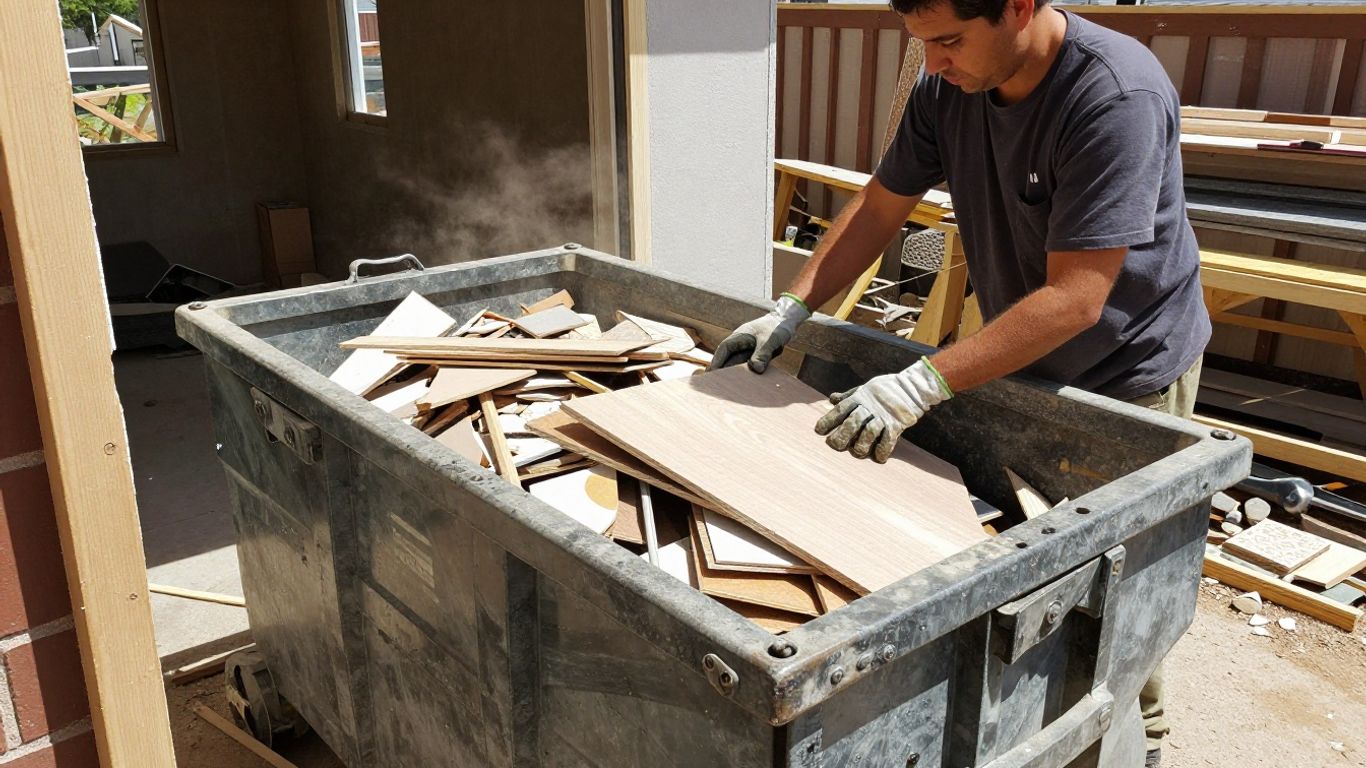
Many small contractors start out hauling debris themselves in a pickup truck or trailer. It works for a day or two, but the cracks show up fast:
- Repeated landfill trips eat into billable hours that should be spent on the actual job.
- Truck rental and fuel costs add up, especially on longer projects.
- Improper loading can damage a vehicle or violate road weight limits.
- Liability risk increases when untrained workers are lifting and hauling heavy material.
- Landfill and transfer station rules vary by location, and showing up with unsorted debris can mean rejected loads or extra sorting fees on the spot.
None of this is a good use of a crew’s time, and it rarely saves money in the long run once labor hours are factored in.
What a Construction Dumpster Rental Actually Is
A construction dumpster rental is a large, open-top container — usually ranging from 10 to 40 cubic yards — that a rental company drops off at the jobsite. The crew fills it as work progresses, and once it’s full (or the project wraps up), the company picks it up and hauls it to the appropriate disposal or recycling facility. It’s a simple system, but the impact on a project’s efficiency is significant.
Top Reasons Dumpster Rentals Are Best for Construction Debris Removal
1. They Handle Large Volumes in One Place
Instead of small, incremental trips to a dump, a dumpster consolidates everything into a single container that sits on or near the site. Framers, roofers, and demo crews can toss debris as they go without stopping to plan a haul-off. For projects generating multiple tons of waste, this is the only realistic way to keep pace with the work.
2. They Save Time on the Jobsite
Time is the most expensive resource on any job. Every minute a worker spends loading a truck and driving to a landfill is a minute not spent building. A dumpster eliminates that back-and-forth entirely. Crews stay focused on the actual construction, and the rental company handles the hauling and disposal on a schedule that fits the project.
3. They’re More Cost-Effective Than the Alternatives
At first glance, a dumpster rental might look like an added expense. But when compared to the real cost of DIY removal — labor hours, fuel, vehicle wear, landfill fees paid per trip — a single flat-rate rental almost always comes out cheaper. Most rental companies price by container size and rental period, which makes budgeting for a project far more predictable than tracking a dozen unpredictable dump runs.
4. They Keep the Jobsite Safer and More Organized
Loose debris scattered around a site is a hazard. Nails, broken glass, and jagged metal create tripping and injury risks, and cluttered walkways slow down every task that requires moving materials or equipment. A dumpster gives workers one clear place to dispose of waste immediately, which keeps pathways clear and reduces the chance of an OSHA violation or injury claim.
5. They Come in Sizes for Any Project
Dumpster rental isn’t one-size-fits-all. Companies typically offer a range of container sizes, so a small bathroom remodel doesn’t get stuck paying for the same capacity as a full commercial teardown. Matching the container to the project avoids paying for unused space or, worse, running out of room mid-job.
6. They Ensure Legal, Code-Compliant Disposal
Waste disposal regulations differ by city and county, and violating them can mean fines or delayed inspections. Reputable dumpster rental companies know local rules around permits, weight limits, and prohibited materials (like certain hazardous waste), which takes that compliance burden off the contractor’s plate.
7. They Support Recycling and Responsible Disposal
Many rental companies sort recoverable materials — metal, concrete, wood — for recycling rather than sending everything straight to a landfill. This matters for contractors working on LEED-certified projects or any job with sustainability requirements, and it’s simply a more responsible way to manage waste at scale.
Choosing the Right Dumpster Size
Picking the right container size prevents both overpaying and running short mid-project:
- 10-yard dumpster: Small remodels, single-room renovations, minor cleanouts
- 20-yard dumpster: Roofing jobs, flooring replacement, garage demolitions
- 30-yard dumpster: New construction, major additions, whole-house renovations
- 40-yard dumpster: Commercial builds, large demolitions, multi-unit projects
If there’s uncertainty about volume, it’s usually safer to size up slightly rather than order a second container mid-project, which can cause delays and added delivery fees.
Tips for Using a Construction Dumpster Efficiently
- Break down bulky materials before loading to maximize space.
- Distribute weight evenly across the container rather than piling debris on one side.
- Know the weight limit — most rentals include a set tonnage, and exceeding it triggers overage fees.
- Keep prohibited items out, including certain chemicals, batteries, and electronics, which usually require separate disposal.
- Plan the drop-off location so the dumpster doesn’t block site access or violate any local placement rules.
How to Choose a Dumpster Rental Company
Not all providers operate the same way, so it’s worth comparing a few before committing:
- Transparent pricing with no hidden fees for weight overages or extended rental periods
- Fast delivery and pickup windows that match the project timeline
- Permit assistance if the dumpster needs to sit on a public street
- A range of container sizes to match different project scopes
- Clear policies on what materials are and aren’t accepted
A little research upfront avoids surprise charges and scheduling headaches once the project is underway.
Conclusion
Construction debris removal isn’t just a cleanup task — it directly affects how efficiently, safely, and profitably a project runs. DIY hauling and piecemeal junk removal might work for very small jobs, but for anything beyond that, they cost more time and money than they save. Dumpster rentals solve the problem at scale: one container, flat-rate pricing, code-compliant disposal, and a jobsite that stays clear for the crew to actually work.
For contractors and property owners planning their next project, renting a dumpster isn’t just the easiest option — it’s the one that keeps the entire job on schedule and on budget. And if you’re renting a bin in Ottawa, working with a local provider who understands the city’s permit rules and delivery logistics makes the whole process even smoother.
Frequently Asked Questions
What materials can go in a construction dumpster?
Many rentals accept common construction and demolition debris such as lumber, drywall, roofing, flooring, tile, concrete, brick, and packaging. Accepted materials vary, so confirm the provider’s rules before placing paint, chemicals, appliances, treated wood, or other restricted items inside.
How do I know what dumpster size I need?
Estimate both the volume and weight of the debris. Bulky light materials may require more space, while concrete, brick, and asphalt may reach weight limits quickly. Describe the project and materials to the rental company for a more useful recommendation.
Can a dumpster be placed on a driveway?
Often, yes, provided the surface, access route, and surrounding clearance can support delivery and pickup. Ask about protective boards, overhead wires, gates, slopes, and local permits before confirming the placement location.
How long can I keep a construction dumpster?
Rental periods vary by company and project arrangement. Confirm the included number of days, the process for extending the rental, and any additional daily charges before delivery so the container remains available through the necessary work phase.
Should heavy debris be placed in a separate dumpster?
It may be advisable when the load contains large amounts of concrete, brick, asphalt, or similar dense material. A separate arrangement can make weight limits easier to manage, but the correct approach depends on the provider’s accepted-material and pricing rules.
What happens if the dumpster is filled above the rim?
Overfilled containers may be unsafe to cover and transport. The rental company may require the load to be leveled, may charge for extra service, or may be unable to haul it until the issue is corrected. Keep all material below the fill line.
Is a dumpster better than hauling debris in a pickup truck?
For more than a small amount of waste, a dumpster usually reduces repeated trips, loading cycles, and disposal planning. A pickup may work for a limited cleanup, but a container is generally more convenient when demolition or renovation debris accumulates over several days.