
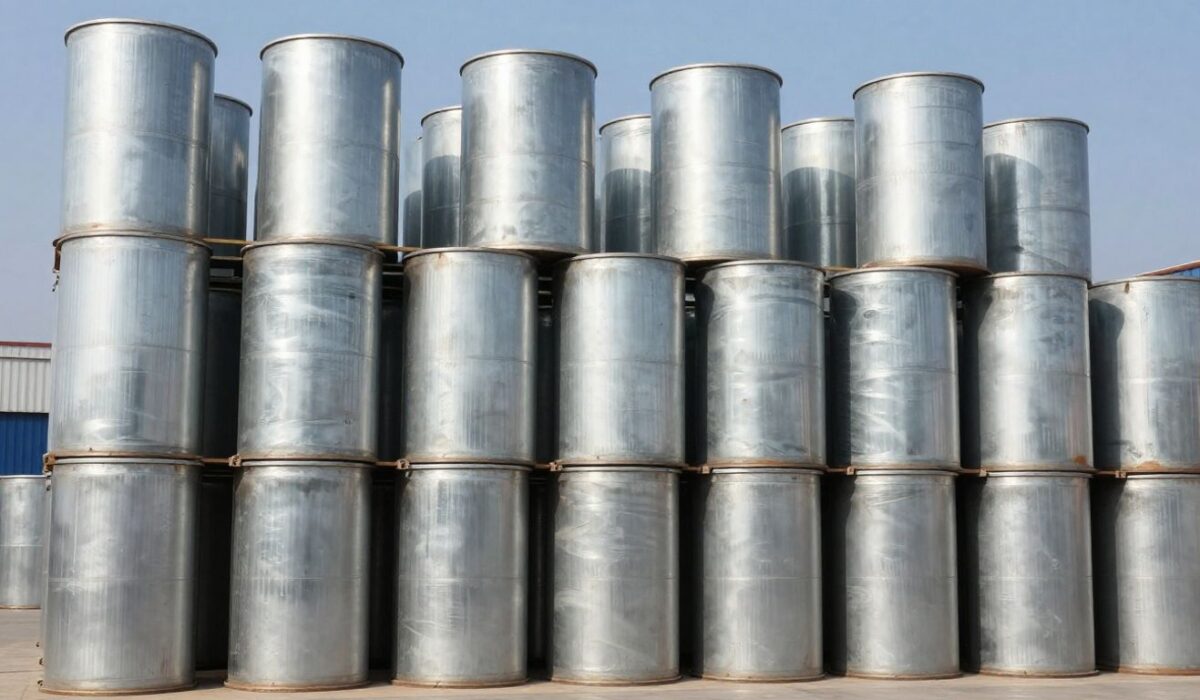
We’ve been renting bins across Ottawa since 2020, and the questions we hear most from first-time renters are almost always the same: what size do I actually need, what am I allowed to put in it, and how do I avoid getting hit with fees I didn’t see coming. Here’s the full breakdown.
Why Ottawa Container Rentals Make Sense for Most Projects
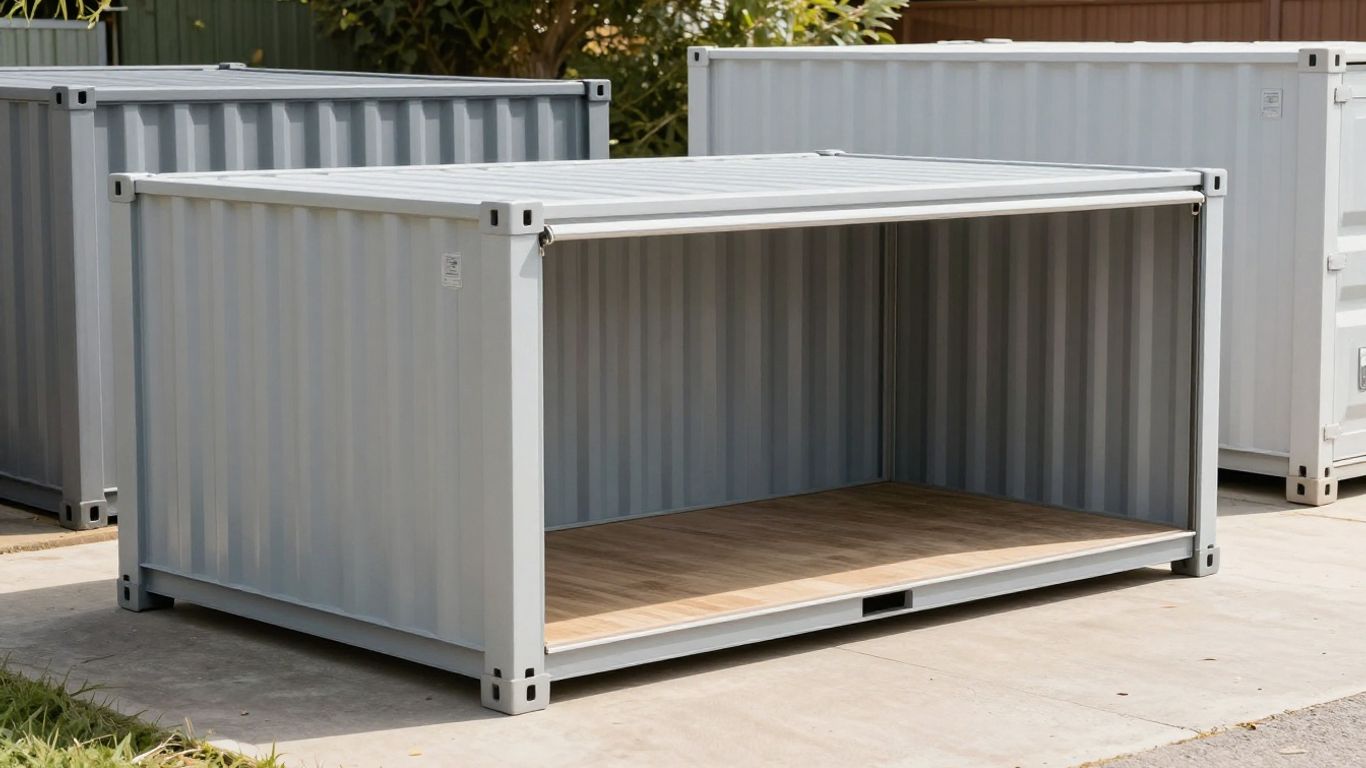
A container delivered right to your property gives you immediate, secure, weather-resistant space exactly where you need it — no repeated trips to a storage unit, no cramming belongings into a garage that’s already full. This matters most for phased renovations, where you’re moving items in and out as different parts of a home get worked on; having a dedicated space onsite genuinely cuts down on the logistics headache of a multi-stage project.
It’s also just a more efficient way to keep a job site or driveway clear while work is underway, whether that’s a full renovation, a garage cleanout, or managing overflow inventory for a business.
Rental Containers vs. the City’s Green Bin Program
It’s worth knowing the difference upfront: our containers are built for renovation debris, furniture, and general household or construction waste — not food scraps or organic material. Ottawa’s green bin program handles that separately through weekly curbside pickup, and the city actually turns that organic waste into compost at a dedicated facility. If you’re curious how that process works, the city’s composting explainer video breaks it down. For anything else — the debris that doesn’t belong in a green bin — that’s exactly what a rental container is for.
Understanding Ottawa Container Rental Sizes
Getting the size right matters more than people expect — too small and you’re paying for a second rental, too big and you’re paying for space you never use.
Small containers (around 10 feet). Best for weekend garage cleanouts, small landscaping jobs, or decluttering a single room. Roughly 10 cubic yards of capacity, with a compact footprint that fits most driveways easily.
Medium containers (around 20 feet). The size most residential projects land on — moderate renovations, full-house cleanouts, larger landscaping jobs, or small construction work. Around 20 cubic yards, with some models offering an open side for easier loading.
Large containers (around 40 feet). The workhorses for major construction, commercial cleanouts, and demolition work. About 40 cubic yards of capacity, but they need real space for delivery and placement — worth confirming your site can accommodate one before booking.
Matching the container to your actual waste volume is the real goal here, not just picking a size that sounds safe. Overestimating wastes money; underestimating usually means a second rental that costs more than getting the right size the first time. It’s also worth factoring in weight, not just volume — heavy debris like concrete or shingles fills a container’s weight limit long before it fills the physical space.
Types of Containers Available
Standard containers. The most common choice for general storage, renovation debris, and household cleanouts — built tough and versatile enough for most residential and light commercial jobs.
High-cube containers. Same footprint as a standard container, with an extra foot of vertical height. Worth it if you’re storing taller items or need to stack materials higher without expanding the container’s ground footprint.
Refrigerated containers. Built with cooling or freezing capability for temperature-sensitive goods — food suppliers, pharmaceutical storage, or event cold storage. If your project needs temperature control, this is the only option that actually works.
Matching type to need matters as much as size — a standard bin won’t help if you need temperature control, and paying for a refrigerated unit when a basic bin would do is just wasted budget. Always confirm what materials are and aren’t allowed in your specific container with whoever you’re renting from.
What to Consider Before You Rent
What’s actually going in it. Hazardous materials — paint, chemicals, certain electronics — usually aren’t permitted in a standard bin, and some companies won’t take them under any circumstances. Confirm what’s allowed before you start filling it, since violations can mean real fines.
Where it’s going to sit. If it needs to go on public property or block part of a street, you may need a municipal permit, which typically comes with its own cost. Sorting this out before delivery avoids a surprise notice to move it later.
Rental duration. Plan around your actual project timeline rather than renting for longer than you need “just in case” — most companies charge more the longer you hold the unit past the agreed period.
Weight limits. Overloading past the stated limit generally triggers extra fees, and those can add up fast on heavier debris like concrete or roofing material.
Delivery and pickup windows. Confirm these align with your schedule before booking, especially if your project has a tight timeline.
Read the rental agreement closely, particularly the fine print around overage fees and extended rental charges — that’s where most surprise costs hide.
Tips for a Smoother Rental Experience
A few things that consistently make the process easier:
- Measure before you guess. Estimate the actual volume of what you’re clearing rather than eyeballing a size — a little extra room is fine, running out mid-project isn’t.
- Confirm delivery timing early. Some companies have specific delivery windows, so lock that in ahead of your project start date rather than assuming flexibility.
- Check the ground where it’ll sit. It needs to be level and firm enough to prevent shifting — ask your rental company if you’re unsure about a spot.
- Inspect on delivery. Note any existing damage to the container itself before you start loading, so there’s no dispute about it at pickup.
- Plan your loading strategy. Heavier items at the bottom, distributed evenly, makes the whole process faster and avoids weight concentration issues.
Finding the Right Rental Company
A few things worth comparing across a handful of quotes rather than just booking the first company you find:
- What’s actually included. Does the quoted price cover delivery, pickup, and disposal, or are those add-ons? A slightly higher upfront price that includes everything is often the better deal.
- Delivery and pickup speed. How quickly can they get a bin to you, and what’s their process for picking it up once you’re done?
- Reviews from other Ottawa customers. Consistent patterns in feedback — good or bad — tell you more than any single review.
- What materials are permitted. Confirm this upfront to avoid surprise charges for disposing of something that wasn’t allowed.
A company that’s upfront about pricing, permitted materials, and timelines from the first call is usually the safer bet, even if a competitor’s initial quote looks slightly cheaper.
Frequently Asked Questions
How do I know what size container I need?
It depends on your project’s actual waste volume — a 10-foot bin typically handles small cleanouts, while larger renovations or construction jobs usually need a 20- or 40-foot container. Estimating volume beforehand helps avoid renting the wrong size.
What’s the difference between standard and high-cube containers?
Height. High-cube containers offer roughly a foot of extra vertical space in the same footprint, useful for bulkier items or maximizing capacity without a bigger container.
Can I put anything I want in the container?
Mostly, but not hazardous materials like paint, chemicals, certain electronics, tires, or liquids. Always confirm what’s permitted with your specific rental company before loading.
Does the rental price include disposal?
Typically yes — most companies bundle delivery, pickup, and disposal into a flat fee, but confirm this at booking and ask about fees for exceeding weight limits.
How long can I keep the container?
Rental periods are generally flexible, from a few days to several weeks, depending on your project and what you agree with the rental company.
What do I need to prepare before delivery?
A clear, level spot with enough room for the delivery truck to maneuver, and confirmation of whether you need a municipal permit if it’s going on public property.
Ready to Book a Bin?
If you’re planning a project in Ottawa and need a container delivered, our team at 613 Bins can help you pick the right size and get it to your site quickly. Reach us at (613) 894-2467 or info@613bins.com, or request a bin directly through our site.
613 Bins has been serving Ottawa and the surrounding area — including Orleans, Barrhaven, Kanata, and Nepean — since 2020.
1 Comment
Comments are closed.