
Key Takeaways
- Getting familiar with city of Ottawa waste management rules is the easiest way to avoid missed pickups, rejected recycling, and unnecessary fines.
- Correct sorting is what keeps recyclables out of the landfill, mixed or contaminated loads often get sent straight to the trash.
- Big projects, whether it’s a renovation or a full property clean-out, generate more waste than curbside collection is built to handle.
- Hazardous items like batteries, paint, and motor oil need to go through dedicated drop-off points, never the regular bin.
- A short-term bin rental is usually the simplest way to bridge the gap between what the city collects and what your project actually produces.
How Ottawa’s Waste System Is Set Up
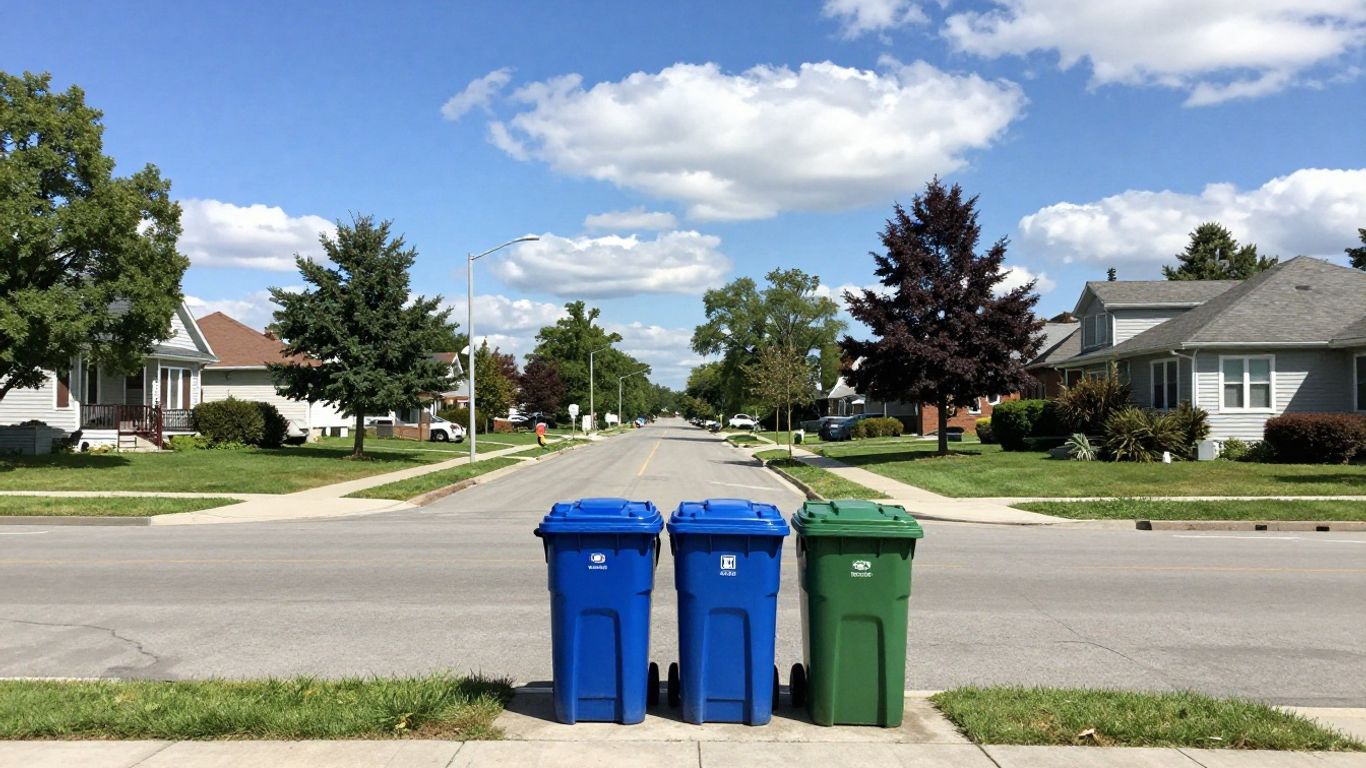
The City of Ottawa runs a structured waste program built around three main streams: garbage, recycling, and organics. The idea behind the system is straightforward, keep as much material as possible out of the landfill by making it easy for households and businesses to separate what can be reused, composted, or safely disposed of. Residents who follow the sorting rules consistently are, in effect, keeping the whole program running efficiently, since a single contaminated bin can undo the sorting effort of dozens of properly separated ones.
For day-to-day households, this system works well. It’s when a project goes beyond typical weekly volume, a basement reno, a big yard clean-up, an estate clear-out, that most people start looking for extra help outside the standard city pickup.
Sorting Your Waste Correctly
Before anything goes to the curb, it helps to know which stream it belongs to. The three general categories most residents deal with are:
- Blue bin (recycling): paper, newsprint, clean cardboard, rigid plastic containers, metal cans, aluminum foil, and glass bottles or jars.
- Green bin (organics): food scraps, soiled paper products, and yard waste.
- Garbage: anything that doesn’t qualify for the above two streams.
Rinsing containers before they go in the blue bin matters more than most people realize. Recycling facilities are set up to process clean, dry material, and food residue or liquid left in containers can contaminate an entire batch, forcing sorters to divert otherwise recyclable material to landfill. A few extra seconds at the sink saves the whole load.
Composting and Organics Collection
Organic material, food waste, yard trimmings, soiled paper, makes up a significant share of what a typical household throws away. Ottawa’s green bin program exists specifically to pull that material out of the regular waste stream, since organic matter breaks down in landfills and produces methane, a greenhouse gas far more potent than carbon dioxide. Using the green bin consistently is one of the simplest ways a household can shrink its overall environmental footprint without changing much about daily habits.
Hazardous and Special Waste
Some items are never allowed in a standard garbage or recycling bin because of the environmental and safety risk they carry. These need to go through a dedicated depot or a scheduled hazardous waste event instead.
| Item Type | Proper Disposal Route | Note |
|---|---|---|
| Used batteries | Drop-off depot | Tape the terminals before transport |
| Motor oil | Authorized collection centre | Keep in the original sealed container |
| Paint cans | Household hazardous waste event | Keep in the original tin, don’t transfer |
Routing these materials correctly is what keeps chemicals and heavy metals out of the soil and groundwater, rather than leaking out of a landfill cell over time.
When Curbside Collection Isn’t Enough
Standard weekly collection is built around normal household volume, not a renovation, a major clean-out, or an event. Once a project starts producing more material than your bins can hold, or the material itself is too bulky or heavy for a regular collection truck, it’s time to consider a temporary bin rental.
Home Renovations and Construction
Tearing out a kitchen or finishing a basement produces heavy, awkward debris: drywall, old cabinetry, flooring, fixtures. Having a single bin on-site for construction debris keeps the work area safe and organized instead of turning into a pile of materials that has to be moved twice. A properly sized bin lets a renovation crew stay focused on the job instead of making repeated dump runs.
Attic, Basement, and Garage Clean-Outs
Years of accumulated belongings rarely fit into a handful of garbage bags. A rented bin gives you one central place to consolidate everything, so a clean-out can be tackled in stages without needing multiple trips to a landfill or transfer station. It’s often the difference between a project that gets finished in a weekend and one that drags on for months.
Events and Larger Gatherings
Community events, reunions, and larger gatherings generate more waste than residential bins are designed to handle. Having a rental bin on-site during the event keeps the venue clean and organized rather than letting trash pile up faster than it can be managed.
Choosing the Right Bin Rental Service
The right choice comes down to two things: how much material your project will generate, and how quickly you need it removed. A reliable Ottawa waste bin rental provider will walk you through sizing, delivery timing, and what materials are and aren’t accepted, before you commit to anything.
Common bin sizes typically run from smaller units suited to a bathroom reno or a garage clean-out, up to large roll-off containers built for full demolitions or major renovation projects. Choosing correctly the first time saves you from paying for a second delivery mid-project simply because the first bin filled up early.
A few tips to keep costs down:
- Load the bin flat and even across the base rather than piling material into one corner.
- Stay within the weight limit for your bin size, overloading can create transport and safety issues.
- Book a few days ahead of your project start date so your preferred size is available when you need it.
Why Ottawa Homeowners Choose 613 Bins
613 Bins has built its reputation as one of Ottawa’s most trusted names in bin rental by keeping things simple: fast delivery, clear guidance on bin sizing, and flexible pickup timing whether you need a one-time drop-off or an ongoing rental for a longer project. As a local, family-run business, every job is handled in-house by our own team rather than outsourced to a third party, which means consistent service from delivery through final pickup.
We serve homeowners and contractors across the Ottawa region, including Kanata, Nepean, Centretown, Manotick, Richmond, North Gower, and Kemptville, and every bin comes with the same commitment to protecting your property during delivery and removal. Every completed rental is checked to make sure the job was handled the way it should be, start to finish.
If a renovation, clean-out, or event is about to produce more waste than your curbside bins can handle, an Ottawa waste bin rental from 613 Bins is the simplest way to keep the project moving without a mid-job scramble for extra disposal space.
Conclusion
Managing waste in Ottawa well comes down to two things working together: following the city’s sorting and disposal rules for everyday household waste, and knowing when a project has outgrown what curbside collection can handle. For the day-to-day, that means sorting carefully and routing hazardous items to the right depot. For anything bigger, a properly sized bin rental keeps the project on schedule and the site clean from start to finish.
Frequently Asked Questions
What can I put in a rented bin?
Most rental bins accept construction debris, household furniture, and general yard waste. Hazardous chemicals, tires, and appliances containing refrigerants are typically not allowed.
How do I know what size bin I need?
Think in terms of cubic yards of material, or describe your project type (kitchen tear-out, full clean-out, roofing job) to your rental provider so they can recommend the right size.
Are there weight limits on rental bins?
Yes. Every bin size has a weight limit tied to safe transport on city roads, so it’s worth checking before you load heavier material like shingles or concrete.
Can I place a rental bin on the street?
In many cases, yes, but it usually requires a permit from the city. Check your local requirements before scheduling delivery.
How far ahead should I book a bin?
A few days’ notice is generally enough to guarantee your preferred bin size is available for your project start date.
Does the rental price include pickup?
Standard pricing usually covers delivery, a set rental period, and final pickup. Always confirm whether tonnage overage fees apply to your specific bin size.
1 Comment
Comments are closed.