
Key Takeaways
- An estate cleanout is far easier to manage when sorting, disposal, access, and timing are all planned together upfront.
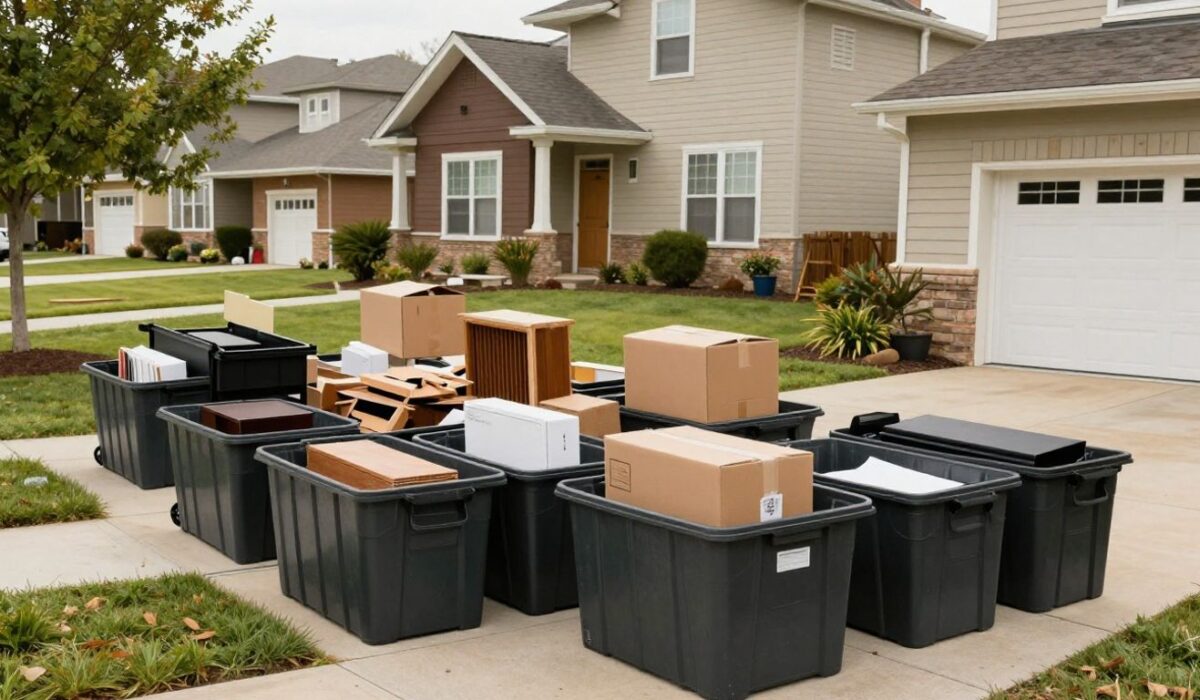
- Estate cleanout bins give you one central place to put unwanted furniture, boxes, and household debris instead of hauling it away load by load.
- Choose bin capacity based on an actual room-by-room walkthrough, not a guess.
- Separate documents, valuables, donations, recyclables, and restricted items before anything goes into the bin.
- Confirm local rules and rental terms before delivery day.
- A clear loading plan cuts down on delays, extra handling, and avoidable costs.
What Is an Estate Cleanout Bin?
An estate cleanout bin is a temporary waste container rented specifically for clearing out unwanted belongings and debris from a home, apartment, garage, storage unit, or similar property. It gives family members, executors, landlords, or property managers a single, central place to put discarded furniture, boxes, household goods, and any renovation-related waste that comes up along the way. Instead of making repeated trips to a disposal facility, you can work through the property in stages while the container sits on-site.
The bin itself isn’t a substitute for sorting. Important papers, jewelry, family photographs, financial records, hazardous products, and anything with sentimental or resale value should be pulled aside before disposal starts — especially when several relatives are involved in the decisions, or the property needs to be cleared by a firm deadline.
A cleanout bin can also bring real structure to what’s usually a difficult job. Once you’ve set up separate areas for keep, donate, sell, recycle, and discard, the container becomes the final stop for anything that’s actually approved for disposal. That simple system helps prevent accidental losses and keeps the work moving room by room.
When Do You Need an Estate Cleanout Bin?
Estate cleanout bins make sense whenever a property holds more unwanted material than regular household garbage pickup can realistically handle. They’re commonly used after a death in the family, during a move, ahead of a sale, or when a long-occupied home finally needs to be cleared out. The right timing comes down to how much is in the property, the deadline you’re working against, and how much sorting still needs to happen.
A bin is particularly useful when bulky furniture and a large volume of smaller items need to leave the property together. Before booking, walk through every room and factor in the less obvious spaces too — attics, basements, sheds, closets, and garages all add up fast.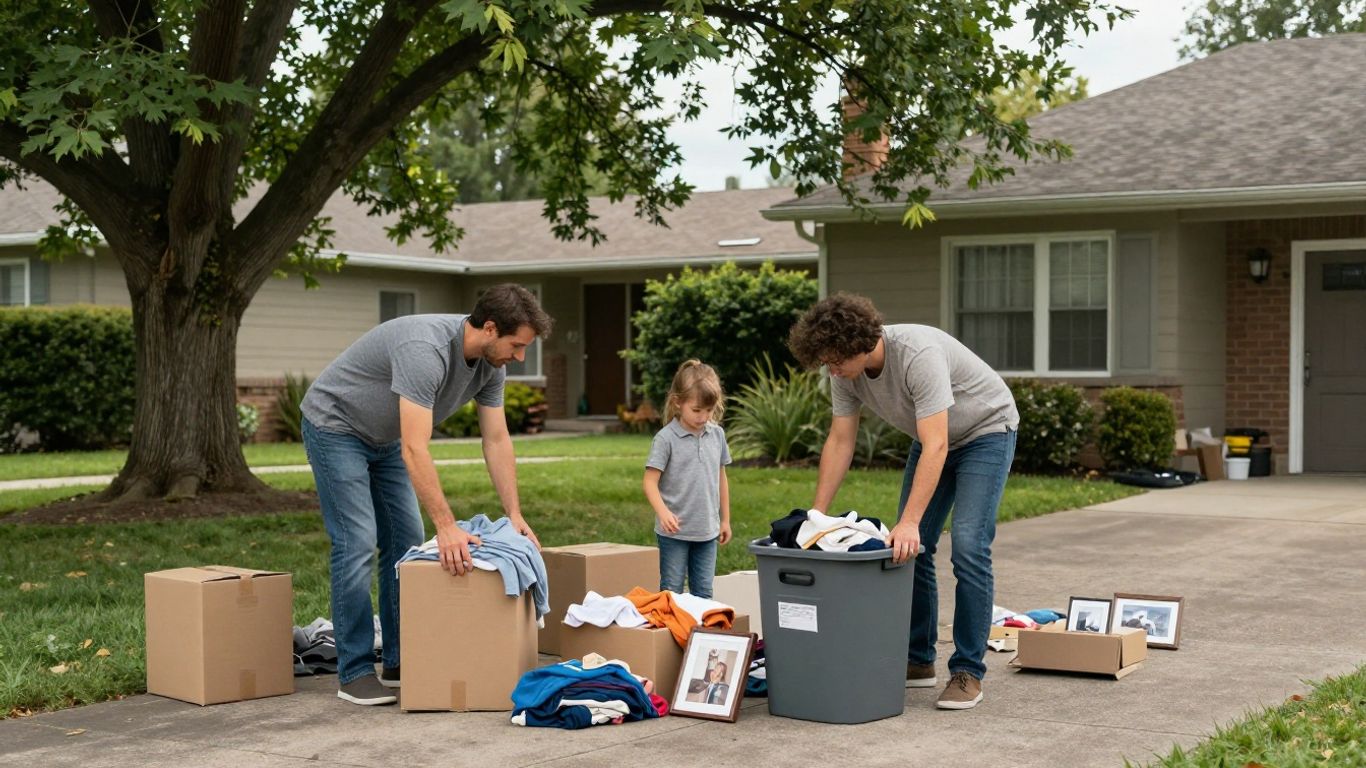
Downsizing and Decluttering
Downsizing usually means making dozens of small decisions on top of removing large pieces of furniture. Having a container placed near the home lets you clear one area at a time without piling everything up indoors or making repeated trips with a vehicle. For families working through the emotional side of settling an estate, a bit of upfront planning for paperwork, keepsakes, donations, and disposal can make the physical work much less overwhelming.
Moving to a New Home
A move creates a natural opportunity to finally leave behind broken furniture, outdated appliances, worn carpeting, and boxes nobody needs anymore. Booking a bin before packing wraps up keeps the old property from turning into a holding area for last-minute discards, and it gives you a hard deadline — useful when a sale, lease, or closing date is approaching fast.
Preparing a Property for Sale
A property almost always shows better when rooms, storage areas, and outdoor spaces are free of excess belongings. A bin supports that clearing stage before cleaning, repairs, photography, and showings begin. If items are scattered across the property, plan a clear route for carrying everything out so the container can be loaded safely without damaging walls, floors, landscaping, or the driveway.
Choosing the Right Size Estate Cleanout Bin
Picking a container size is part volume calculation, part loading strategy. Furniture often takes up more space than people expect, while flattened boxes and bagged clothing pack in far more efficiently. Think through the entire property rather than sizing your order based only on the most visible room.
Ask any rental company about dimensions, weight limits, rental duration, prohibited materials, and placement requirements before you commit. If you’re searching for reliable bin rental in Ottawa options for an estate cleanout, 613 Bins serves the Ottawa area and can walk you through which size and rental term actually fits your specific job.
Understanding Bin Sizes and Capacity
Bin sizes are usually described by approximate yardage, but the real usable capacity depends on the container’s actual dimensions and how well the material is packed. A smaller bin might suit a garage or a partial cleanout, while a larger one is often the better call for a full home with furniture, appliances, and a lot of boxes. Never assume a bin can safely take every type of waste just because there’s visible room left inside — weight limits matter just as much as volume.
Here’s a general starting point, not a substitute for measuring or talking it through with the rental provider:
| Cleanout scope | Typical material | Planning consideration |
|---|---|---|
| One room or small storage area | Boxes, clothing, small household goods | Measure bulky pieces first |
| Garage or basement | Shelving, tools, furniture, bags | Allow space for awkward shapes |
| Several rooms | Furniture, appliances, boxes, mixed debris | Consider weight as well as volume |
| Full-property cleanout | Contents from rooms, attic, garage, and shed | Confirm size, placement, and rental period |
This table works best paired with an actual item-by-item walkthrough. If you’re stuck between two sizes, ask whether your material is likely to push past a weight limit, or whether a second pickup would actually be more practical than overloading one container.
Estimating the Volume of Your Debris
Start with a room-by-room list and note the largest objects in each space. Estimate how many pieces can realistically be broken down, flattened, or stacked, then add a margin for the loose material that always turns up once you start going through drawers, closets, and basement storage. It’s far better to revise your estimate before delivery than to discover halfway through the job that the bin is already too small.
A solid estimate usually covers:
- Furniture, appliances, mattresses, and other bulky items
- Boxes, bags, shelving units, and loose household goods
- Garages, sheds, attics, basements, and outdoor storage
- Unusually heavy materials, kept separate from ordinary household debris
Once you’ve got that list together, pass along the largest-item details and an approximate room count to the rental company. A local team can then talk through the bin rental options that fit the job, while you decide whether extra rental time is worth it, or whether donating and recycling some items first would shrink the load enough to save on size.
What Can Go in an Estate Cleanout Bin?
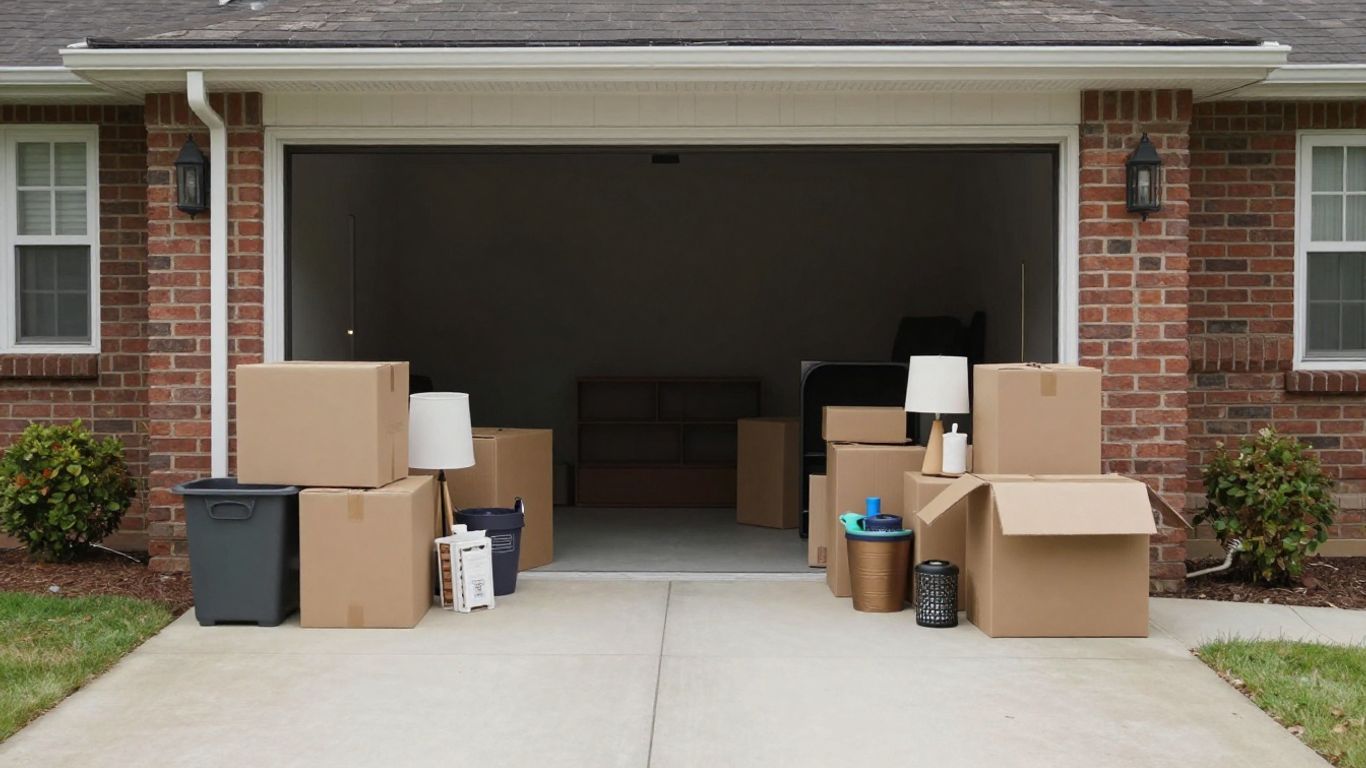
Most estate cleanouts involve a mix of furniture, clothing, books, boxes, household goods, and general debris. Some providers will also accept appliances, carpeting, and small amounts of renovation debris, but acceptance varies by company and by local disposal rules. Always ask before loading anything uncertain — especially items that contain chemicals, fuel, refrigerant, batteries, or other regulated material.
Keep the important items out of the bin until the estate has been reviewed carefully. Documents like wills, property titles, tax records, insurance papers, and account information may be needed later, and photographs, heirlooms, and collectibles are surprisingly easy to overlook during a rushed cleanup. Setting up a labeled staging area gives everyone time to make real decisions before anything gets disposed of.
It also helps to separate out material that has another destination entirely. Usable furniture and household goods can go to family members or a donation organization, while electronics, metal, cardboard, and certain appliances often need specialized recycling rather than a general waste bin. Whatever you’re unsure about, follow the rental company’s accepted-materials list rather than guessing.
How to Rent an Estate Cleanout Bin: A Step-by-Step Guide
Renting a bin is genuinely straightforward once you understand the property, the material, and the schedule you’re working with. The main decisions come down to how much waste you actually have, where the container can sit, and how long the cleanout will realistically take. Give yourself time to ask questions rather than scrambling to arrange delivery after the first truckload is already waiting at the curb.
Finding a Reputable Bin Rental Company
Look for a provider that clearly lays out available sizes, accepted materials, delivery conditions, pricing, rental periods, and pickup arrangements. Read the terms carefully, and ask how the company handles access problems, schedule changes, and material that can’t be accepted once it’s already at the property. A local provider is also more likely to be familiar with driveway access, placement quirks, and the specific service areas that can affect delivery timing.
For a transition this difficult, the practical details matter just as much as speed. If you’re arranging a bin rental in Ottawa specifically, 613 Bins is a well-documented local option, and their pricing page breaks down bin sizes and rental terms so you can compare options before you call.
The Rental Process and Delivery
When you call or submit a request, describe the property, an approximate debris volume, the types of material involved, preferred dates, and where you’d like the bin placed. Ask about total pricing, any taxes or fees, weight limits, overage rules, and how extending the rental works if the cleanout runs long. It’s also worth confirming whether the bin can be filled above the rim and whether delivery needs a clear path or protective boards underneath the container.
Before delivery, do a final walk-through and move vehicles, planters, toys, and any other obstacles out of the placement area. Keep the approach clear, protect any remaining documents or valuables still inside the home, and load heavy items evenly across the bin rather than piling them at one end. These small steps make pickup faster and reduce the risk of damage or a delayed delivery.
Once the bin is full, stop loading and contact the provider to arrange pickup. When you’re ready to move forward with 613 Bins, their bin request form is the fastest way to get the process started with your property details and preferred timing.
Conclusion
Estate cleanout bins bring real structure to a demanding property transition, but the best results still come from careful sorting, realistic volume estimates, and clear rental terms going in. Separate out valuables and documents first, choose a container that suits both the debris and the access conditions at the property, and line up delivery before the cleanout is already underway. If you’re comparing bin rental Ottawa options for an upcoming estate cleanout, reaching out early gives you the most flexibility on size, timing, and price.
Frequently Asked Questions
How far in advance should I rent an estate cleanout bin?
Book as soon as you know your approximate cleanout dates, especially if the property has a sale, closing, lease, or handover deadline attached to it. Planning early gives you more flexibility with container size and delivery timing.
What size bin is best for a full-house cleanout?
It depends on the number of rooms, furniture, appliances, boxes, and other debris involved. Factor in garages, basements, attics, sheds, and outdoor storage areas, then have the rental provider review your estimate before booking.
Can furniture go in an estate cleanout bin?
Yes, furniture is a common part of household cleanouts, though it should be disassembled where practical and loaded evenly across the bin. Confirm the provider’s specific rules for mattresses, upholstered items, and unusually heavy pieces beforehand.
What should never go in a cleanout bin?
Restricted materials typically include hazardous chemicals, fuels, batteries, medical waste, and other regulated items. The exact list varies by provider, so check the rental terms before placing anything questionable inside.
How do I protect important estate documents during a cleanout?
Search desks, filing cabinets, drawers, closets, safes, and storage areas thoroughly before disposal begins. Place documents in a labeled, secure box and keep it physically separate from the cleanout area the whole time.
Can I donate items before using the bin?
Yes — setting aside usable furniture, clothing, appliances, books, and household goods before loading can reduce waste and preserve items for family members or donation organizations. Line up those destinations early so items don’t accidentally end up in the discard pile.
Where can an estate cleanout bin be placed?
A bin generally needs a stable, accessible surface with enough clearance for both delivery and pickup. Check local rules and the rental company’s placement requirements, and keep the access route free of vehicles, low branches, wires, and other obstacles.
1 Comment
Comments are closed.