

Keeping a household running smoothly means staying on top of one task that’s easy to overlook until it’s missed: trash day. Between shifting holiday schedules, bin limits, and sorting rules, it’s worth taking a few minutes to understand exactly how the system works so you’re never caught with bags at the curb on the wrong morning.
Understanding Garbage Collection in Ottawa
Garbage collection in Ottawa runs on a rotating schedule set by the municipality, and your pickup day depends entirely on your address. The city’s system is built to handle everyday residential trash while pushing residents toward diverting as much material as possible into recycling and organics streams instead of the landfill. The first and most important step for any household is confirming which day of the week belongs to your street, since guessing wrong is the single most common reason trash gets left behind.
The city’s online collection calendar is the easiest way to stay on schedule. Once you register your address, the tool sends automated notifications by email or phone, which is especially useful around statutory holidays, when routes commonly shift by a day. Checking this calendar a couple of times a year — especially heading into a holiday season — takes the guesswork out of trash day entirely.
For larger cleanouts that go beyond what curbside pickup can handle, many Ottawa homeowners turn to professional Ottawa bin rental services to manage excess waste and debris. Having a bin on-site for a weekend renovation, home decluttering project, or garage purge makes disposal easier and more convenient, allowing you to handle larger volumes of waste without trying to fit months of clutter into a handful of weekly garbage limits.
How Much Garbage You’re Allowed to Put Out
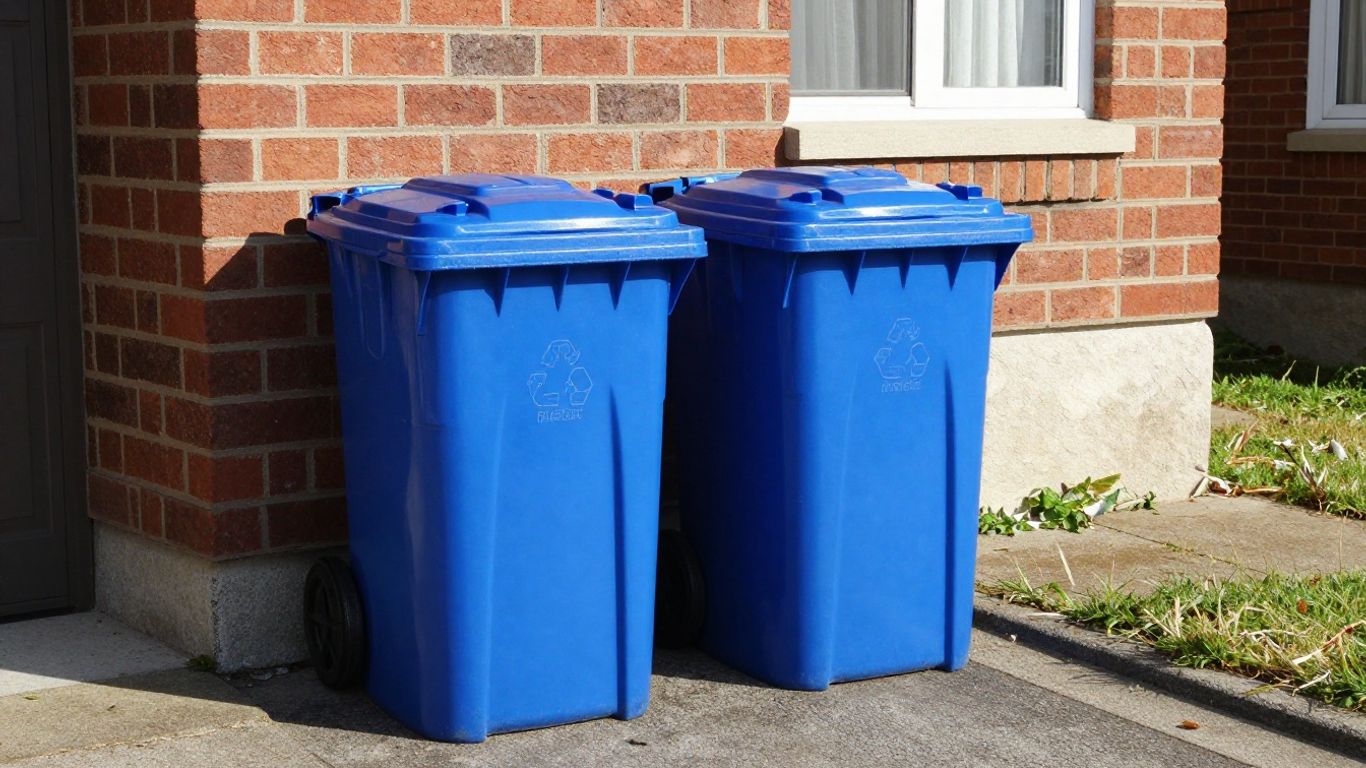
The city caps the amount of trash collected at each stop, mainly to protect the crews doing the lifting. Bags and rigid containers generally need to stay under roughly 15 kilograms each, and containers beyond a certain count typically require a tag or a scheduled special pickup rather than being left out with your regular set.
| Item Type | Weight Limit | Max Quantity |
|---|---|---|
| Standard Bag | 15 kg | Unlimited (with applicable tags) |
| Rigid Container | 15 kg | Up to 3 containers |
| Large/Bulky Item | N/A | By special appointment |
Bags or bins that exceed the limit are usually skipped rather than emptied, which means a second wait until the following week — and often a mess in the meantime if animals get into an overloaded bag. Keeping containers at a manageable weight isn’t just a rule for its own sake; it’s what keeps the whole route moving on time for everyone on your street.
Getting Your Trash Ready for Pickup Day
A little preparation goes further than most people expect. Bags should be tied securely to keep wind and wildlife out, and everything needs to be at the curb by 7:00 a.m. on collection day — crews often start earlier than residents assume, and a bin dragged out at 7:15 can mean a missed week.
If you’re using rigid bins rather than bags, make sure they’re clear of snowbanks and easy to reach in winter, and positioned so the truck has a straight, unobstructed approach. A few consistent habits — rinsing containers before they go out, keeping the collection area clear, tying bags snugly — add up to fewer missed pickups and a cleaner curb for the whole block.
For anything too large or too plentiful for the regular bins, Ottawa’s special pickup program (booked through your municipal account) is the right route rather than trying to force oversized items into your weekly set.
Sorting It Out: Garbage, Recycling, and Green Bin
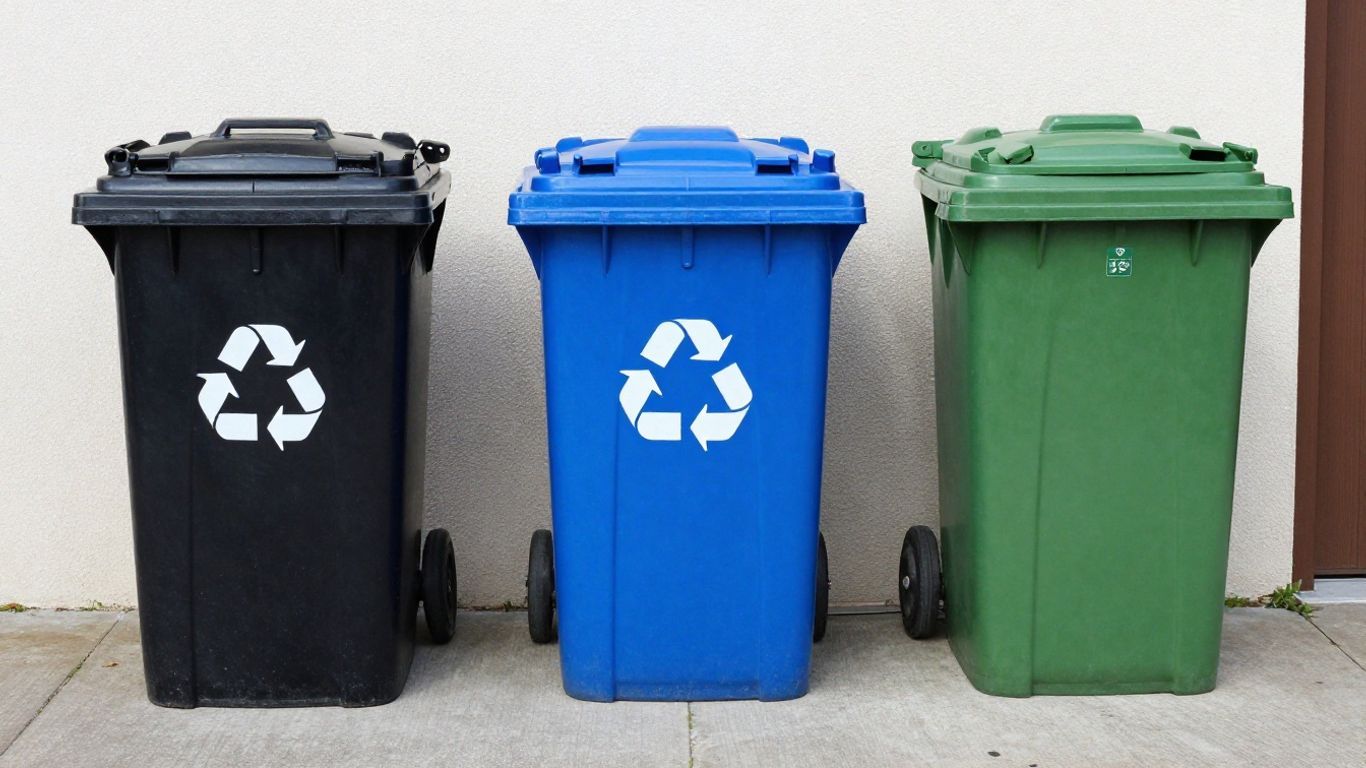
Correct sorting is what makes recycling in Ottawa actually work — contamination from the wrong material in the wrong bin can knock an entire load out of the recycling stream. Plastics, metal cans, and paper belong in your blue bin, and a quick rinse of food containers before they go in noticeably improves how much of that material actually gets processed
Blue Bin: Rinsed plastic bottles, metal cans, and paper products
Black Bin: Specialty papers and bulkier plastic items
Green Bin: Food scraps, bones, and soiled paper waste
Regular Garbage: Non-recyclable plastics and personal hygiene items
The green bin deserves special mention: food scraps and yard waste diverted here become compost rather than landfill mass, cutting down on emissions and eventually returning nutrients to local soil. It’s the simplest habit on this list to build and one of the highest-impact ones for the city’s broader waste goals.
Disposing of Items That Don’t Belong in Regular Trash
Not everything can go out with the weekly bags. Electronics, batteries, paint, and household chemicals all need to be handled separately, since dumping them in with regular garbage risks contaminating soil and groundwater. Ottawa maintains dedicated depot locations and periodic collection events for exactly this kind of material — checking the city’s site before you head out will confirm whether your specific item is accepted at a given depot.
Bigger cleanouts — a garage purge, a basement full of old furniture, a renovation’s worth of debris — usually call for something with more capacity than a weekly bin allows. This is where a rented bin or roll-off container earns its keep, letting you clear a whole project’s worth of material in one go instead of spreading it across months of curbside limits.
Seasonal Collection Changes to Watch For
Yard waste volume swings hard with the seasons, and the city adjusts accordingly. Spring cleanups and fall leaf drop both come with their own collection windows that run alongside — but separately from — your regular trash day, so it’s worth checking the calendar specifically for these periods rather than assuming your usual schedule applies.
Winter brings its own complications: bins need to sit on level, cleared ground rather than buried in a snowbank, and holiday weeks typically bump the whole week’s schedule forward by a day. Around Christmas, many residents also look for specific guidance on tree pickup timing, which usually follows its own separate window from standard trash collection.
Where 613 Bins Fits Into the Picture
For jobs too large for the curb — full home cleanouts, renovation debris, roofing tear-offs, or a garage that’s finally getting sorted — 613 Bins has spent more than 5 years serving the Ottawa region as a family-run, fully insured operation. As a locally rooted business covering Kanata, Nepean, Centretown, Manotick, Richmond, North Gower, and the surrounding area, 613 Bins handles its own disposal bins and driveway-protection setup in-house rather than subcontracting the work out, with every project reviewed by ownership before it’s called complete. That kind of hands-on, long-standing local experience is a useful complement to the city’s own collection system when a project’s waste volume outgrows what weekly pickup was ever designed to handle.
Conclusion
Reliable waste management in Ottawa comes down to a few consistent habits: knowing your pickup day, sorting materials correctly, respecting weight limits, and watching for the schedule shifts that come with holidays and seasons. Leaning on the city’s digital tools keeps you from guessing, and knowing when a project has outgrown curbside service — and who to call when it has — rounds out the picture. Small, consistent routines here add up to a cleaner household and a smoother-running system for the whole neighbourhood.
Frequently Asked Questions
What do I do if my garbage was not picked up?
Confirm first that your items were out by 7:00 a.m. and that your address was on schedule for that day. If everything was properly sorted and within weight limits, contact the city or report a missed collection through their website within the allowed window.
Can I put construction waste in my regular garbage?
No — standard residential collection isn’t set up for large volumes of debris like drywall, wood, or concrete. That material needs to go to a landfill or waste-diversion site equipped for commercial-type debris, or into a rented bin sized for the job.
Where can I find my specific pickup day?
Your schedule is tied to your street address and can be looked up through the city’s online collection calendar. Entering your address brings up your full calendar, including recycling, organics, and regular trash days.
Are there rules for bags and containers?
Yes. Waste needs to go in bags or containers sturdy enough for collection crews to handle safely, tied or closed to prevent spillage, and kept under the roughly 15-kilogram weight limit per container.
How should I dispose of hazardous household items?
Paint, oil, batteries, and chemicals should never go in regular trash or recycling. These need to go to a designated hazardous waste depot where they can be processed according to environmental safety standards.
What happens to my collection during a holiday?
Statutory holidays typically push that week’s entire schedule back by one day — a Monday holiday moves Monday’s route to Tuesday, and so on through the rest of the week.
Is leaf and yard waste collected separately?
Yes. The city runs dedicated collection windows for leaf and yard material during spring and fall. Check your collection calendar for the specific dates in your area so yard trimmings go out during the right window.