
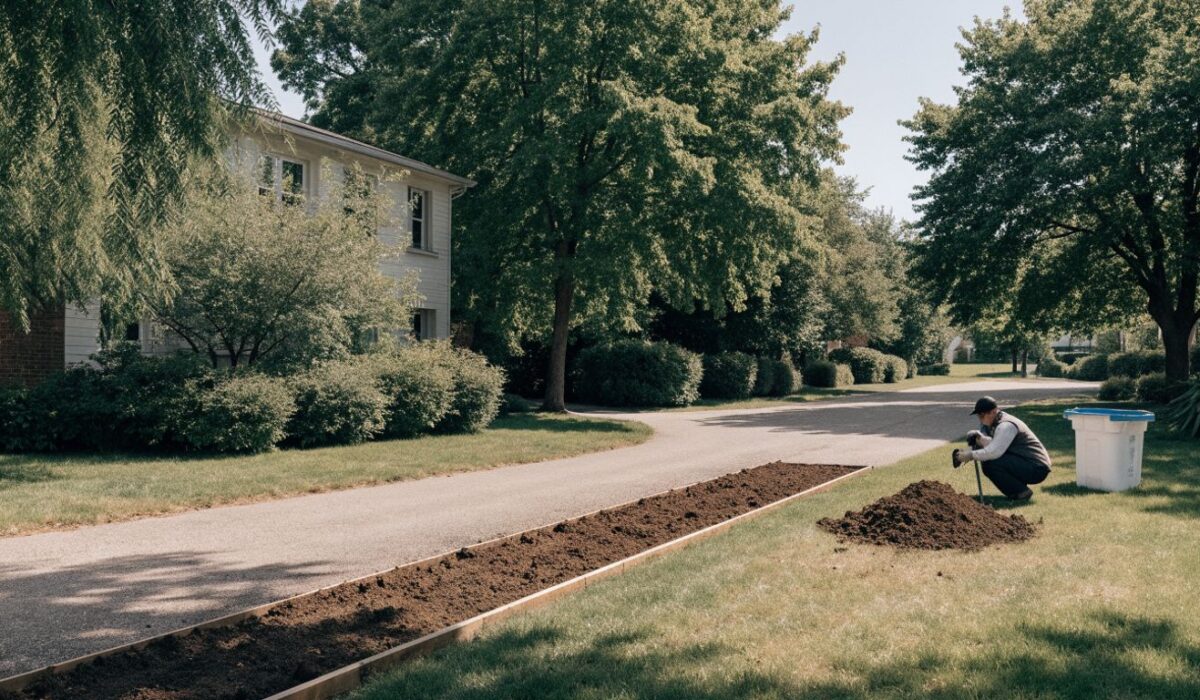
Planning a garden bed, lawn repair or backyard dig in Ottawa? Knowing how big a cubic yard of soil is, how much it weighs and how much your project needs saves time, money and extra trips. This guide covers volume, weight, delivery and soil bin rentals so you can order or remove soil with confidence.
Key takeaways
- One cubic yard is 27 cubic feet, a cube three feet on each side (about 0.76 cubic metres).
- Multiply length x width x depth in feet, then divide by 27 to get cubic yards.
- Typical landscaping soil weighs roughly 1 to 1.4 tonnes per cubic yard, and more when it is wet.
- Our standard 12 to 30 yard bins do not accept dirt. Excavated soil goes in a 5-yard or 10-yard soil bin.
- Keep soil separate from leaves, branches and other debris.
Need soil delivered or removed in Ottawa? Call 613 Bins at 613-894-2467 for a quick quote on soil bins and landscape material delivery.
How Big Is a Cubic Yard of Soil?
If you are ordering or removing a cubic yard of soil in Ottawa, start with the basics: a cubic yard is a measure of volume that contains 27 cubic feet (about 0.76 cubic metres). Picture a cube three feet tall, three feet wide and three feet deep. A delivered pile will rarely hold that exact shape, but the volume is the same.
Spread across a garden bed, one cubic yard covers about 108 square feet at a depth of 3 inches, or about 54 square feet at 6 inches, before settling or uneven ground changes the result. A loose pile stands tall, while the same soil spread over a bed becomes a thin layer. The volume only changes if soil is added, removed or compacted. If you are planning an Ottawa soil project, measure both the area you need to cover and the depth you want before you order.
How Many Cubic Yards of Soil Do You Need?
Estimating soil starts with the footprint of the project and the depth of the layer you want. Measure in feet, and split irregular areas into smaller rectangles so you can calculate each part separately. A small allowance, typically 5 to 10 percent, covers settling, uneven ground and measuring errors.
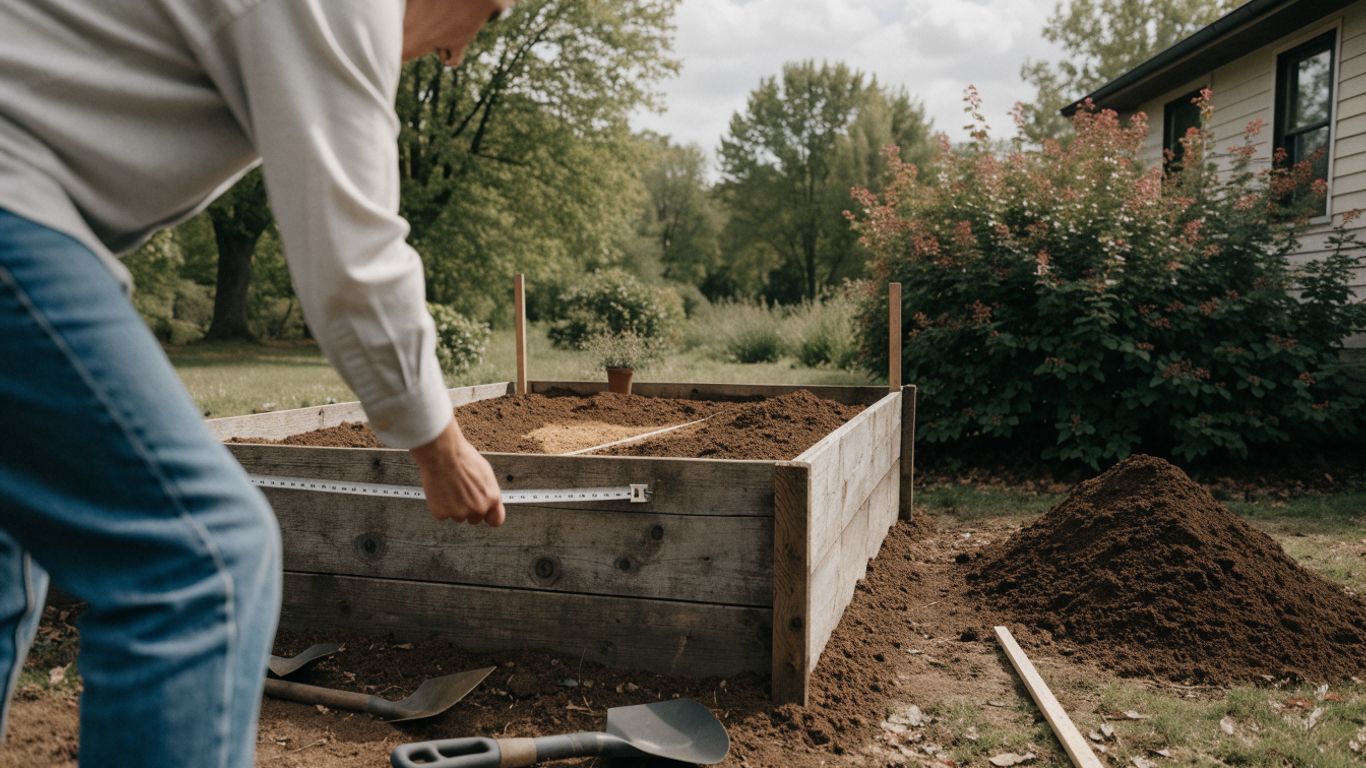
The Simple Formula: Length x Width x Depth
Multiply length by width by depth, with every measurement in feet, to get cubic feet. Divide that result by 27 to convert it to cubic yards. If your depth is in inches, divide it by 12 first. For example, a 10 by 10 foot bed with a 3 inch soil layer uses a depth of 0.25 feet, so the calculation is 25 cubic feet, or just under one cubic yard.
| Example area | Depth | Approximate volume |
|---|---|---|
| 10 ft x 10 ft bed | 3 in | 0.93 cubic yards |
| 4 ft x 8 ft bed | 6 in | 0.59 cubic yards |
| 20 ft x 15 ft lawn area | 1.2 in | 1.11 cubic yards |
For curved or uneven beds, divide the space into simple shapes, calculate each one and add the results. These figures are estimates for level, rectangular areas.
Ottawa Project Examples: Garden Beds, Lawn Repair and Regrading
A garden bed needs a fairly consistent layer, so length, width and target depth give you a workable number. For lawn repair, measure only the low or damaged patches you plan to top up. Calculating across the whole lawn can badly overstate the amount. For regrading, the slope changes the depth, so take several depth measurements across the area and use the average.
Parts of Ottawa have dense clay soils, so a bed or lawn repair often needs a layer of topsoil on top of the clay rather than a full replacement. Digging can also turn up old roots or leftover construction material. Keep notes on your measurements and sort what comes out of the ground, because it affects both the soil you order and what you can put in a bin.
How Much Does a Cubic Yard of Soil Weigh?
A cubic yard of soil is heavy. Typical landscaping soils run roughly 2,200 to 3,000 pounds (about 1 to 1.4 tonnes) per cubic yard, and wet or compacted soil weighs more. Ten cubic yards can therefore reach 10 to 14 tonnes. That is why a bin’s size label does not tell you how much soil it can safely hold.
Topsoil, Clay, Fill and Wet Soil Compared
Dry, loose topsoil sits at the lighter end of the range. Clay and compacted fill sit at the heavier end, and any soil is heavier after rain or snowmelt than the same volume dry. Spring digging in Ottawa is often the heaviest, because the ground is saturated.
Treat these figures as planning ranges, not loading instructions. Tell your supplier or bin provider what kind of soil you have and whether it is wet, because both change the weight.
Cubic Yard of Soil Delivery in Ottawa: Bulk, Bags or Bin
The right format depends on quantity, access and how fast you can use the soil. Bulk delivery by truck suits larger jobs with a clear drop-off area. Bags make smaller amounts easier to handle over several days. A bin is the right tool when you are removing soil rather than bringing it in.
Timing matters in spring. City of Ottawa seasonal load restrictions can cap how much a truck may carry from mid-March to the end of May, so some suppliers limit load sizes in that window. Order early if your project falls in those months.
What Affects the Price of a Cubic Yard of Soil
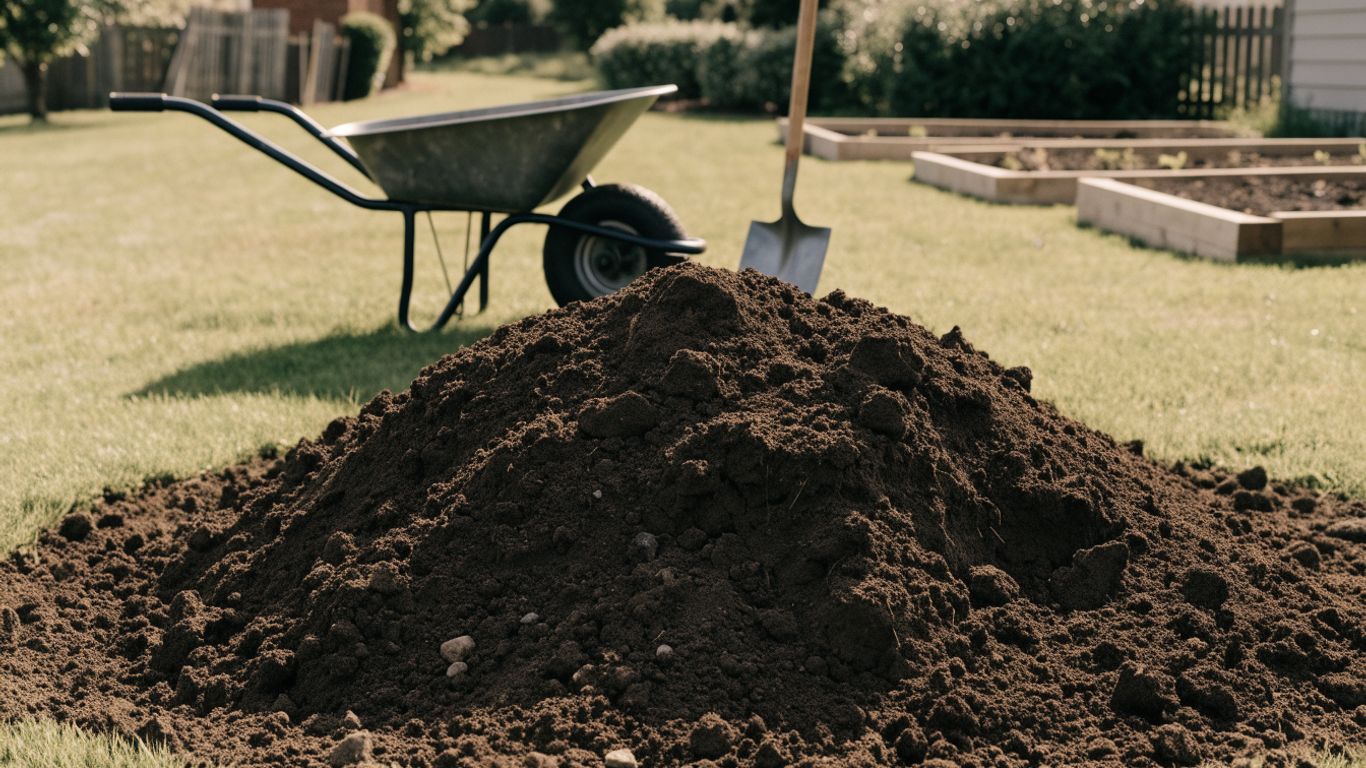
Price depends on the soil type, quantity, delivery distance, access to the drop-off spot and the delivery format. Bagged soil usually costs more per cubic yard than bulk because of packaging and handling. Narrow access, or soil that must be moved far after delivery, adds effort to the job.
When you compare options, look at the delivered quantity and any stated fees or conditions, not just a headline price. Confirm the minimum order, delivery area and where the soil will be placed before you commit.
Landscape Material Delivery From 613 Bins
613 Bins delivers landscape materials across Ottawa, including soils, mulch, G/A stone, stone dust, 3/4 clear stone, premium bedding stone and river rock. Delivery is $75 when you add it to a bin rental and $125 without one, plus HST. Call 613-894-2467 or email info@613bins.com to confirm the material you need and a delivery date.
Soil Removal and Disposal in Ottawa
Removing soil is a different job from getting rid of leaves or branches. Clean excavated soil is handled differently from soil mixed with construction debris, roots or other waste. Disposal options and acceptance rules vary, so check them before the work begins, not after the bin is full.
Excavated Soil vs Yard Waste vs Clean Fill: What Goes Where
When a project produces several kinds of waste, sort them by material first. Soil with roots, sod, broken material or other debris is not treated the same way as a load of clean soil.
Larger excavation projects in Ontario may also fall under the province’s excess soil rules. Ontario Regulation 406/19 sets requirements for how excavated soil is managed and transported, so check whether it applies to your project before soil leaves the site.
As you prepare the site, use a simple sorting approach:
- Keep excavated soil in a separate pile from leaves, branches and grass clippings.
- Remove large roots, sod and visible construction debris where practical.
- Describe any mixed or questionable material accurately when you check what a bin accepts.
- Confirm weight limits and fill lines before you book.
Separating materials prevents a load from being rejected or needing extra handling. If you find masonry during the work, review the heavy-material bin options instead of mixing it into a soil load.
Which Soil Bin Do You Need? 5 Yard vs 10 Yard Bin Rentals
Our 5-yard soil bin is $375 for 3 days and our 10-yard soil bin is $450 for 3 days, plus HST. Both accept soil, concrete and clean fill. Our standard 12 to 30 yard bins do not accept dirt, concrete or asphalt, so excavated soil needs a soil bin.
A 5-yard bin suits small jobs such as clearing a garden bed or a few dug-out patches. A 10-yard bin suits larger digs such as a regrade or a small foundation project, as long as the weight stays within the limit. A yard size describes volume only, so weight matters as much as the number on the label.
How Much Soil Fits in a Bin (Weight and Fill-Line Limits)
A bin’s stated yard capacity is its volume, not a promise that you can fill it to the top with soil. At roughly 1 to 1.4 tonnes per cubic yard, dense or wet soil can reach a weight limit before the bin is physically full. Soil piled above the fill line may be unsafe to haul and may not be accepted for pickup.
Estimate the volume you need to remove, then tell us whether the soil is topsoil, clay, fill or a mix, and whether it is wet. We will confirm the weight allowance and fill line for your bin when you book.
How to Book a Soil Bin in Ottawa
Before you book, estimate the soil volume and choose where the bin can sit. Check that the spot is accessible and that your schedule leaves time for loading and pickup. If the soil is mixed with other material, say so when you request the bin so we can confirm what is accepted.
Ready to go? Request a soil bin online and we will confirm the date, bin size and fill-line details. If you have not rented a bin before, our guide on how to rent a dumpster walks through the booking steps. We deliver across Ottawa, including Orleans, Barrhaven, Kanata and Nepean, Monday to Saturday. For same-day bookings, call 613-894-2467.
A cubic yard is easy to picture as a three-foot cube, but the right order or bin depends on your area, depth, soil type and how wet it is. Not sure which size you need? Contact 613 Bins and we will help you match your soil volume and weight to the right bin.
FAQs About a Cubic Yard of Soil in Ottawa
How many cubic feet are in a cubic yard?
One cubic yard contains 27 cubic feet. It is the volume of a cube measuring three feet on each side.
How much area does one cubic yard of soil cover?
About 108 square feet at a depth of 3 inches, or about 54 square feet at 6 inches. Actual coverage depends on the final depth and how evenly you spread it.
How do you calculate cubic yards of soil?
Multiply length by width by depth in feet to get cubic feet, then divide by 27. For irregular areas, calculate smaller sections and add their volumes.
How much does a cubic yard of soil weigh?
Typically about 2,200 to 3,000 pounds (1 to 1.4 tonnes), depending on the soil type, compaction and moisture. Wet soil weighs more than dry soil.
Can soil go in a standard dumpster?
Not in our standard 12 to 30 yard bins, which do not accept dirt, concrete or asphalt. Clean soil goes in our 5-yard or 10-yard soil bins. If your load is mixed with other debris, tell us when you book so we can confirm what is accepted.
Should I choose a 5-yard or 10-yard soil bin?
Choose based on both the volume of soil and its weight. A larger bin does not always mean you can load more soil, so we confirm the weight allowance and fill line with you when you book.