
Renting a soil bin can make landscaping projects much easier. Here’s what you should remember:
Key Takeaways
- Soil Bin rental helps keep your work area clean and safe.
- You can choose different bin sizes to fit your project needs.
- Only certain materials, like soil and yard waste, should go in the bin.
- Check costs and ask about extra fees before renting.
- A good rental company will deliver and pick up the bin on your schedule.
What is a Soil Bin and Why Do You Need One?
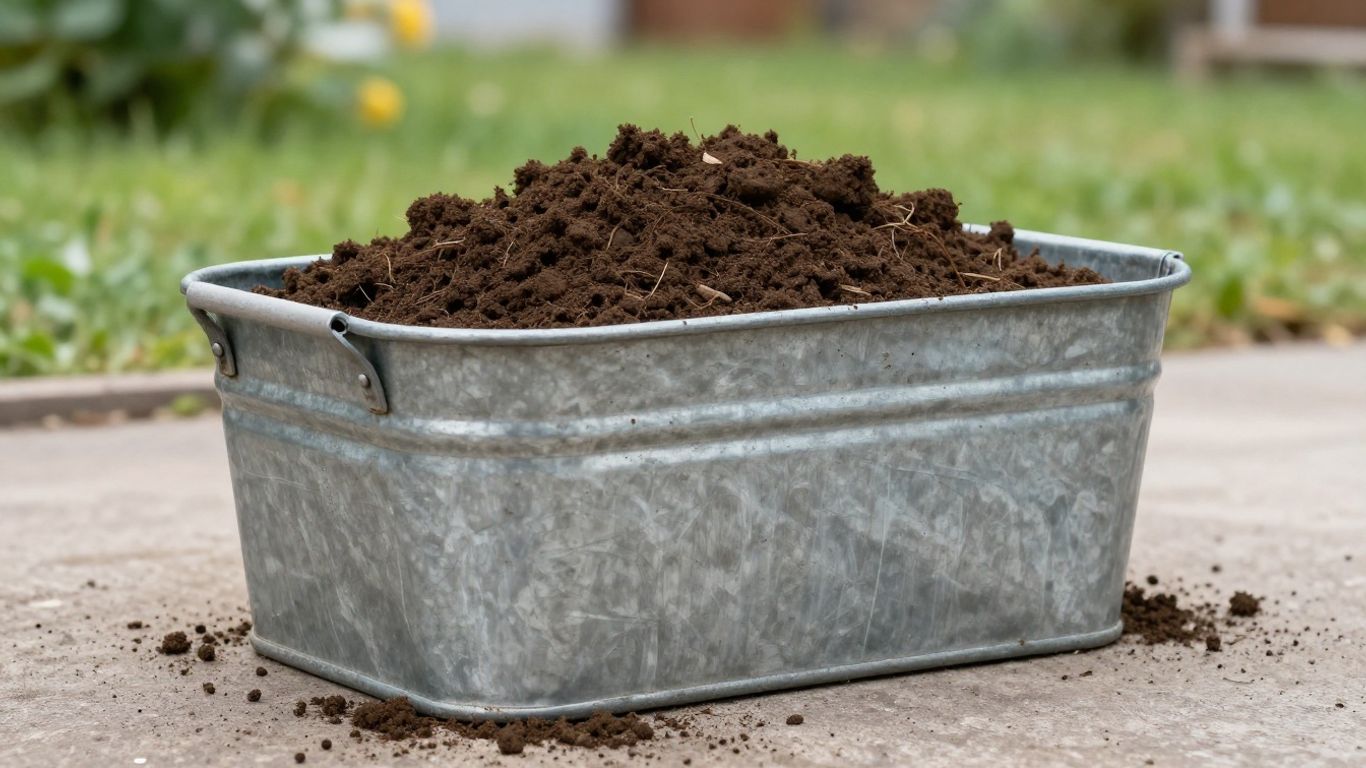
So, you’re planning a landscaping project? Maybe you’re finally tackling that overgrown garden, putting in a new patio, or just giving your lawn a serious makeover. Whatever it is, you’re probably going to end up with a lot of dirt, rocks, branches, and other debris. And let’s be honest, piling all that up can quickly make your yard look like a disaster zone.
That’s where a soil bin, often called a dumpster or debris box, comes in handy. Think of it as a big, sturdy container specifically designed to hold all the mess your landscaping project creates. Instead of making endless trips to the dump or trying to cram everything into your regular trash cans (which won’t work anyway), you just toss it all into the bin as you go. It’s a simple way to keep your workspace clean and make the cleanup process way less stressful.
Benefits of Using a Soil Bin for Landscaping Waste
Using a dedicated bin for your landscaping waste offers a bunch of advantages:
- Convenience: Having a bin right on your property means you can dispose of materials immediately. No more hauling heavy loads across the yard or down the street. You just toss it in and keep working.
- Organization: It keeps your project area tidy. Piles of dirt and branches can get in the way and even be a safety hazard. A bin contains the mess, making it easier to move around and finish your work.
- Efficiency: It saves you a ton of time and energy. Instead of multiple trips to a disposal site, one bin handles it all. When you’re done, the rental company just hauls it away. It’s a pretty straightforward process, especially if you’re looking at renting a dumpster.
- Versatility: These bins can handle a wide variety of materials. We’re talking soil, rocks, old pavers, tree limbs, grass clippings, and even some wood scraps from fences or decks.
Dealing with landscaping waste can feel like a huge chore, often overshadowing the fun parts of the project. A soil bin rental takes that burden off your shoulders, letting you focus on the actual landscaping rather than the aftermath. It’s a practical solution for projects big and small.
- Environmental Responsibility: Most rental companies ensure the waste is disposed of properly, often through recycling or composting programs. This is much better than just dumping it somewhere it doesn’t belong.
Choosing the Right Soil Bin Size for Your Project
Picking the right size soil bin is super important. Get one too small, and you’ll be making extra trips or having piles of dirt sitting around your yard, which is just annoying. Go too big, and you’re probably paying for space you don’t even need. It’s all about matching the bin to what you’re actually doing.
Factors to Consider When Selecting a Bin Size
So, how do you figure out what size you need? Think about a few things:
- The Scope of Your Project: Are you just doing a little garden bed refresh, or are you tearing out a whole patio and redoing your backyard? A small flower bed cleanup might only need a smaller bin, maybe something around 10 cubic yards. But if you’re digging up a large area, dealing with old concrete, or removing a lot of soil and rocks, you’ll definitely need a bigger one. For major landscaping overhauls, a 30 or even 40 cubic yard bin might be the way to go.
- Type of Material: Soil and rocks are heavy. Really heavy. If you’re filling the bin mostly with dirt, concrete, or pavers, you’ll fill it up faster by weight than if you were just tossing in leaves and branches. Some companies have specific bins for heavy materials like dirt and concrete, so it’s good to check that out. You don’t want to overload a bin meant for lighter yard waste.
- Duration of Your Project: If your project is going to take a while, you might need a larger bin to avoid having it fill up too quickly. Or, you might arrange for a swap-out service where they bring an empty bin and take the full one away. This is especially helpful for longer-term projects like building a new deck or a significant hardscaping job.
Here’s a general idea of what different sizes might handle:
| Bin Size (Cubic Yards) | Typical Use Case | Approx. Truckloads | Notes |
|---|---|---|---|
| 10 | Small garden cleanup, minor soil removal | 3-4 | Often the only size that accepts dirt, concrete, and asphalt |
| 20 | Medium landscaping, removing shrubs, small patio demo | 7-8 | Good for general yard waste and moderate amounts of heavier debris |
| 30 | Large landscaping, deck removal, significant yard work | 9-10 | Handles larger volumes of mixed debris |
| 40 | Major renovations, extensive hardscaping, large sites | 12-14 | Best for the biggest jobs with lots of heavy material |
It’s always better to overestimate slightly than to underestimate when it comes to bin size. Running out of space means delays and potentially extra costs. A little extra room is usually cheaper than a second rental.
When in doubt, don’t hesitate to call the rental company. They deal with this stuff every day and can give you solid advice based on your specific project. You can usually find good bin rental services in your area by doing a quick online search.
The Soil Bin Rental Process: Step-by-Step
Getting a soil bin for your landscaping project might seem like a big task, but it’s usually pretty straightforward. Most companies aim to make it as easy as possible for you. It really boils down to a few key steps, from finding the right company to having the bin picked up.
Finding a Reputable Soil Bin Rental Company
This is probably the most important part. You want a company that’s reliable and understands what you need. Look for companies that specialize in waste removal for landscaping or construction projects. Check online reviews to see what other customers say about their service, especially regarding timeliness and communication. Some companies even offer specific services for landscaping, which can be a good sign.
Here’s what to look for:
- Customer Reviews: See what people are saying online.
- Service Area: Make sure they deliver to your location.
- Bin Options: Do they have the sizes you might need?
- Pricing: Is it clear and upfront?
A good rental company will be upfront about their pricing and what’s included. Don’t be afraid to ask questions about delivery fees, rental periods, and any potential extra charges.
What to Expect During Delivery and Pickup
Once you’ve picked a company and a bin size, the process is pretty hands-off for you. The rental company will schedule a delivery time that works for you. They’ll bring the bin to your property and place it where you want it, usually in your driveway or on the side of the street. Make sure you have a clear spot ready for them.
After you’ve filled the bin, you just need to let the company know you’re done. They’ll come back and haul it away. The whole point is to make waste removal simple so you can focus on your project. Some companies have a simple online form or a phone number to call for pickup. It’s a good idea to understand their pickup process when you book the rental, so you know what to expect.
Here’s a general timeline:
- Order: You call or go online to book your bin.
- Delivery: The bin arrives at your site.
- Fill: You load the bin with your landscaping waste.
- Pickup: You notify the company, and they take the full bin away.
Remember, understanding the rental period is important. Most companies offer flexible terms, but it’s good to know how long you have the bin so you don’t incur extra charges. You can find more general tips on how to rent a dumpster if you want to get a better idea of the overall process.
What Can You Put in a Soil Bin?
So, you’ve got a landscaping project underway, and the dirt, branches, and old pavers are piling up. It’s time to figure out what goes into that soil bin you’ve rented. Knowing what’s allowed can save you a lot of hassle and potential extra fees.
Common Landscaping Materials Suitable for Soil Bins
Most soil bins are designed to handle the typical debris generated from outdoor projects. Think of it as a catch-all for the natural and construction-related waste from your yard.
- Soil and Dirt: This is the most obvious one, especially if you’re digging up old garden beds or grading your yard.
- Rocks, Gravel, and Pavers: Leftover materials from pathways, patios, or decorative landscaping are usually fine.
- Branches and Yard Trimmings: Clippings from trees, bushes, and grass are generally accepted.
- Wood Scraps: If you’re building or demolishing a wooden deck or fence, the leftover lumber can often go in.
- Concrete: For larger projects, some bins can handle concrete, but it’s often best to check if a specific bin is needed for heavy materials like this. You might need to rent a specialized bin for concrete.
Materials to Avoid in Your Soil Bin
While soil bins are versatile, they aren’t for everything. Certain items can contaminate the load, damage the bin, or pose safety risks during disposal. It’s always better to be safe than sorry.
- Household Trash: Regular garbage, food waste, or anything you’d put in your kitchen bin should be kept separate. This type of waste often requires different disposal methods. You can find more information on general household waste disposal.
- Hazardous Materials: This includes things like paint cans (even empty ones), chemicals, solvents, batteries, or treated wood. These need special handling.
- Appliances and Electronics: Large appliances or electronics typically have separate recycling or disposal programs.
- Asbestos: If you suspect asbestos, do not put it in the bin. Contact a professional immediately.
- Tires: Most places don’t accept tires in general debris bins.
Always double-check with your rental company about their specific list of accepted and prohibited items. They usually have clear guidelines to help you avoid any surprises.
When in doubt, it’s best to ask your rental provider. They can clarify what can and cannot go into the bin, helping you keep your project on track and your waste disposal costs down.
Cost of Soil Bin Rental
So, you’re wondering about the price tag for getting a soil bin? It’s a fair question, and honestly, it’s not a one-size-fits-all answer. The cost to hire soil disposal container services can really bounce around depending on a few key things. Think about the size of the bin you need – a small 10-yard one for a quick garden tidy-up will obviously cost less than a massive 30-yarder for a big landscaping overhaul.
Then there’s the rental period. Are you just needing it for a weekend, or will it be sitting on your property for a couple of weeks? Most companies charge a base rate for a certain number of days, and then there are extra fees if you keep it longer. Location also plays a role; if you’re in a more remote area, delivery and pickup might cost a bit more.
Here’s a general idea of what influences the price:
- Bin Size: Larger bins cost more.
- Rental Duration: Longer rentals usually mean higher costs.
- Location: Delivery and pickup fees can vary.
- Type of Waste: While we’re talking soil bins, sometimes mixed waste can incur different charges.
- Tonnage: Some companies charge based on the weight of the waste, not just the volume.
The actual price you’ll pay for a soil bin rental can range anywhere from $200 to $600 or more. It’s always best to get a few quotes from different places. For instance, companies like Apex Waste Solutions often have pricing structures that depend on these factors.
When you’re comparing prices, make sure you understand exactly what’s included. Does the quote cover delivery, pickup, and disposal fees? Are there any hidden charges for going over a certain weight limit or for specific types of materials? Asking these questions upfront can save you a lot of headaches later on.
Don’t forget to ask about any potential discounts, especially if you’re a repeat customer or if you’re renting a bin for a larger project that might qualify for a package deal. Getting a clear, itemized quote is your best bet for understanding the total cost of your soil bin rental. Remember, the goal is to rent a skip for garden waste that fits your budget and your project needs.
Tips for Maximizing Your Soil Bin Rental Experience
So, you’ve decided to rent a soil bin for your landscaping project. Smart move! It really cuts down on the mess and makes things so much easier. But to get the most bang for your buck, there are a few things you can do.
First off, plan your loading strategy before the bin even arrives. Think about how you’ll break down larger items and group similar materials together. This isn’t just about making it look neat; it’s about fitting as much as you can inside. You don’t want to be stuck with a half-full bin and still have a pile of dirt left over.
Here are a few more pointers to keep in mind:
- Break down bulky items: Branches, old sod rolls, or even pieces of wood can often be made smaller. This saves space and makes it easier to handle.
- Keep materials somewhat separated: While you don’t need to sort perfectly, try not to mix heavy soil with light, fluffy leaves if you can help it. This can help the disposal company process it more efficiently.
- Don’t overfill: Seriously, this is important. Most rental companies have weight limits, and going over can mean extra fees or delays. Plus, it’s a safety hazard when they come to pick it up.
- Know what’s going in: Double-check the list of acceptable materials. Putting the wrong stuff in can lead to fines or require special disposal methods.
When you’re loading, try to distribute the weight evenly. You don’t want one side of the bin to be packed while the other is empty. This helps prevent damage to the bin and makes for a smoother pickup. It’s also a good idea to have a general idea of how much waste you’ll generate. If you’re doing a small garden bed cleanup, a smaller bin might suffice, but if you’re tearing out a whole patio, you’ll need something bigger. Getting the right size from the start saves you hassle later on. You can often find helpful size guides from rental companies online.
Remember that the goal is efficiency. A soil bin rental is meant to simplify your cleanup, not add to your workload. By taking a few extra minutes to plan and load carefully, you’ll make the entire process much smoother and more cost-effective. It’s all about working smarter, not harder, when it comes to landscaping debris.
Finally, communicate with your rental company. If you think you’ll need an extension or if you have questions about what can go in, give them a call. They’re usually happy to help you figure things out. This kind of proactive communication can prevent a lot of headaches down the road and ensure your project stays on track. For many homeowners, renting a dumpster is a game-changer for yard cleanup.
Want to get the most out of your soil bin rental? We’ve got some great tips to help you out. Making sure you know how to use your bin correctly can save you time and hassle. For all the best advice and to book your bin, visit our website today!
Conclusion
Soil Bin rental is a simple way to handle all the mess from your landscaping project. It keeps your yard tidy and saves you from endless trips to the dump. Just pick the right size, fill it up, and let the rental company take care of the rest. Whether you’re a homeowner or a landscaper, renting a soil bin makes cleanup fast and stress-free.
Frequently Asked Questions
What is a soil bin rental?
A soil bin rental is when you pay to use a big container for throwing away soil and landscaping waste. The company drops it off, you fill it, and they pick it up.
How do I pick the right size soil bin?
Think about how much waste your project will make. Small jobs need small bins, but bigger projects like redoing a yard need a bigger bin.
What can I put in a soil bin?
You can toss in dirt, grass, leaves, branches, and small rocks. Don’t put in paint, chemicals, or food trash.
How much does it cost to rent a soil bin?
Prices depend on the bin size and how long you need it. Ask the company for a quote before you rent.
How long can I keep the soil bin?
Most companies let you keep it for a set number of days, like a week. If you need more time, ask if you can extend your rental.
What happens after the bin is full?
When you’re done, call the company. They’ll come pick up the bin and take care of the waste for you.