

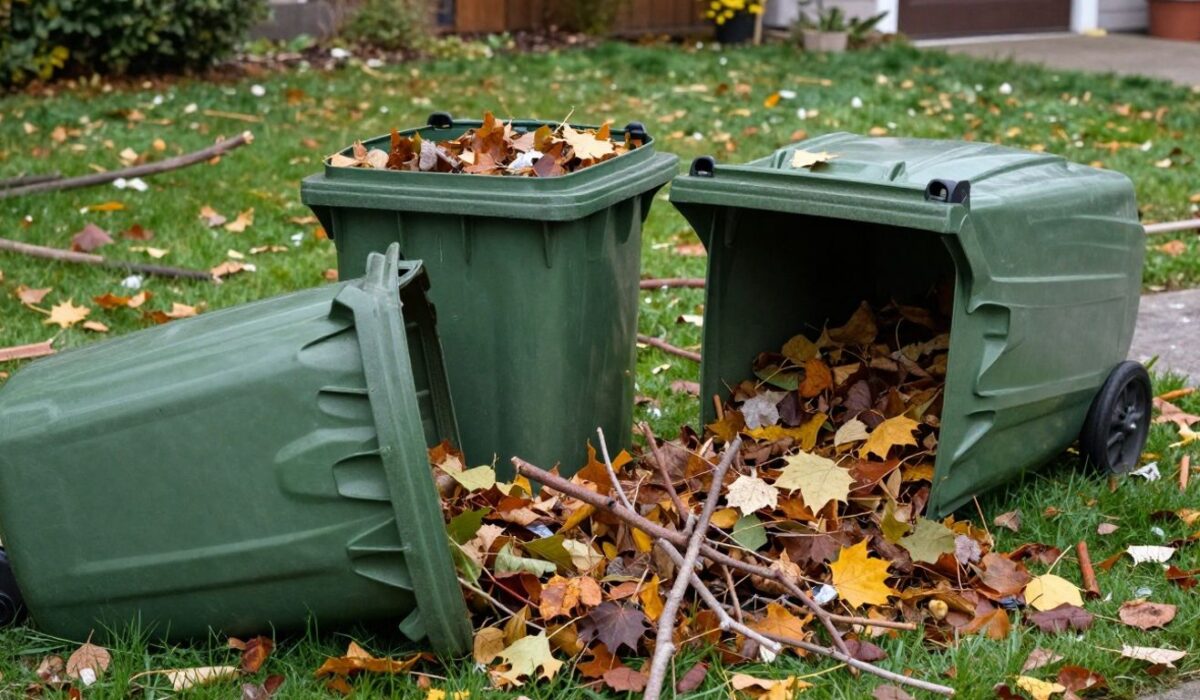
Dealing with yard waste in Ottawa can sometimes feel like a puzzle. You want to keep your property looking neat, but the rules for collection can be a bit confusing. Lots of folks run into the same snags when it comes to putting out their leaves, branches, and grass clippings. This article is here to clear things up and help you avoid those common Ottawa yard waste collection mistakes, making the whole process smoother for everyone.
Key Takeaways
- Understand what the City of Ottawa considers yard waste to ensure correct disposal.
- Avoid common errors like mixing yard waste with regular garbage or not bagging it properly.
- Prepare your yard waste according to guidelines, such as bundling branches and using specific bags or containers.
- Know the collection schedule for your area to avoid missed pickups.
- Be aware of any seasonal restrictions or special collection events for yard waste.
Ottawa yard waste collection — how the system works

Understanding how Ottawa’s yard waste collection works is key to making sure your green waste gets picked up without a hitch. The city has a system in place to manage this type of material, aiming to divert it from the landfill and turn it into something useful. Regular curbside collection is the primary method for most residents.
Here’s a general rundown of how it operates:
- Frequency: Yard waste is typically collected on a regular schedule, often weekly during peak seasons, but this can vary. It’s important to check the specific city of ottawa yard waste collection schedule for your area.
- What’s Accepted: Generally, this includes grass clippings, leaves, small branches, and garden debris. However, there are specific rules about what counts, which we’ll cover more later.
- Preparation: How you bundle or bag your yard waste matters. Some areas might require paper bags, while others allow for specific types of bins or bundles. Loose material is usually a no-go.
- Collection Days: Just like your regular garbage and recycling, yard waste has designated collection days. Putting it out on the wrong day means it won’t be picked up.
The city’s approach to yard waste is part of a larger strategy to manage waste effectively and extend the life of the local landfill. By participating correctly, you’re contributing to a greener Ottawa.
Knowing the Ottawa curbside composting guidelines and the Ottawa green bin rules helps ensure your yard waste is handled properly. This system is designed to be straightforward, but small details can make a big difference in whether your yard waste is collected on the scheduled day. Keeping an eye on the Ottawa garbage collection schedule yard waste is your first step.
What counts as yard waste in Ottawa
So, what exactly can you put out for yard waste collection in Ottawa? It’s not just grass clippings and fallen leaves, though those are definitely the main players. Think of it as anything that grows in your yard and gets pruned, trimmed, or naturally falls off.
This includes:
- Branches and twigs: Smaller than 10 cm in diameter, please. Anything bigger might need to be handled differently.
- Leaves: All those lovely autumn leaves that blanket your lawn.
- Grass clippings: From your regular lawn mowing sessions.
- Garden debris: This covers things like spent annuals, vegetable plants, and weeds (just make sure they haven’t gone to seed if you can help it).
- Hedges and shrub trimmings: When you give your bushes a haircut.
It’s important to know that sod, soil, rocks, and treated wood are generally not accepted as yard waste. These items can contaminate the composting process. Also, keep in mind that when is yard waste pickup Ottawa happens can vary by season, so always check the city’s schedule.
The city’s yard waste program is designed to turn your garden scraps into valuable compost. By keeping non-organic materials out, you help ensure the finished product is clean and usable for other residents and projects. It’s a simple way to contribute to a greener Ottawa.
For specific collection dates and any seasonal variations, it’s always best to consult the official City of Ottawa waste collection calendar. They usually have detailed information about when yard waste is collected and any specific rules for different times of the year.
Most common Ottawa yard waste collection mistakes
It’s easy to get yard waste collection wrong, even when you’re trying your best. Ottawa has specific rules, and sometimes they’re not super clear. Let’s break down some of the most common slip-ups people make so you can avoid them.
One of the biggest issues is mixing regular garbage with yard waste. These are collected separately, and putting grass clippings or leaves in your regular trash bin can cause problems down the line. It’s important to keep them distinct. Another frequent mistake is not bagging or bundling yard waste correctly. Loose branches or piles of leaves often don’t get picked up. The city usually wants things contained, either in clear bags or tied bundles. Check the city’s guidelines for the exact requirements in your area.
Here are a few other common errors:
- Putting out the wrong items: Things like rocks, soil, or treated wood aren’t considered yard waste. Stick to branches, leaves, grass, and garden trimmings.
- Overfilling containers: Just like with regular garbage, overstuffing your yard waste bags or bins can lead to them being left behind.
- Ignoring collection schedules: Yard waste collection isn’t always weekly, especially outside of peak seasons. Make sure you know when your pickup day is.
Sometimes, the simplest things trip us up. We might think a few extra twigs won’t matter, or that a slightly heavier bag is fine. But these small deviations from the rules can actually prevent your yard waste from being collected, leading to more work for you later.
Another pitfall is not securing the waste properly. Wind can easily scatter loose bags or bundles, creating a mess and potentially causing issues for collection crews. Always make sure your yard waste is contained and won’t blow away. Finally, people often forget about special collection needs. Large branches or excessive amounts of yard waste might require a special pickup arrangement, and failing to do so means they’ll likely be left at the curb.
How to prepare your yard waste for easy pickup
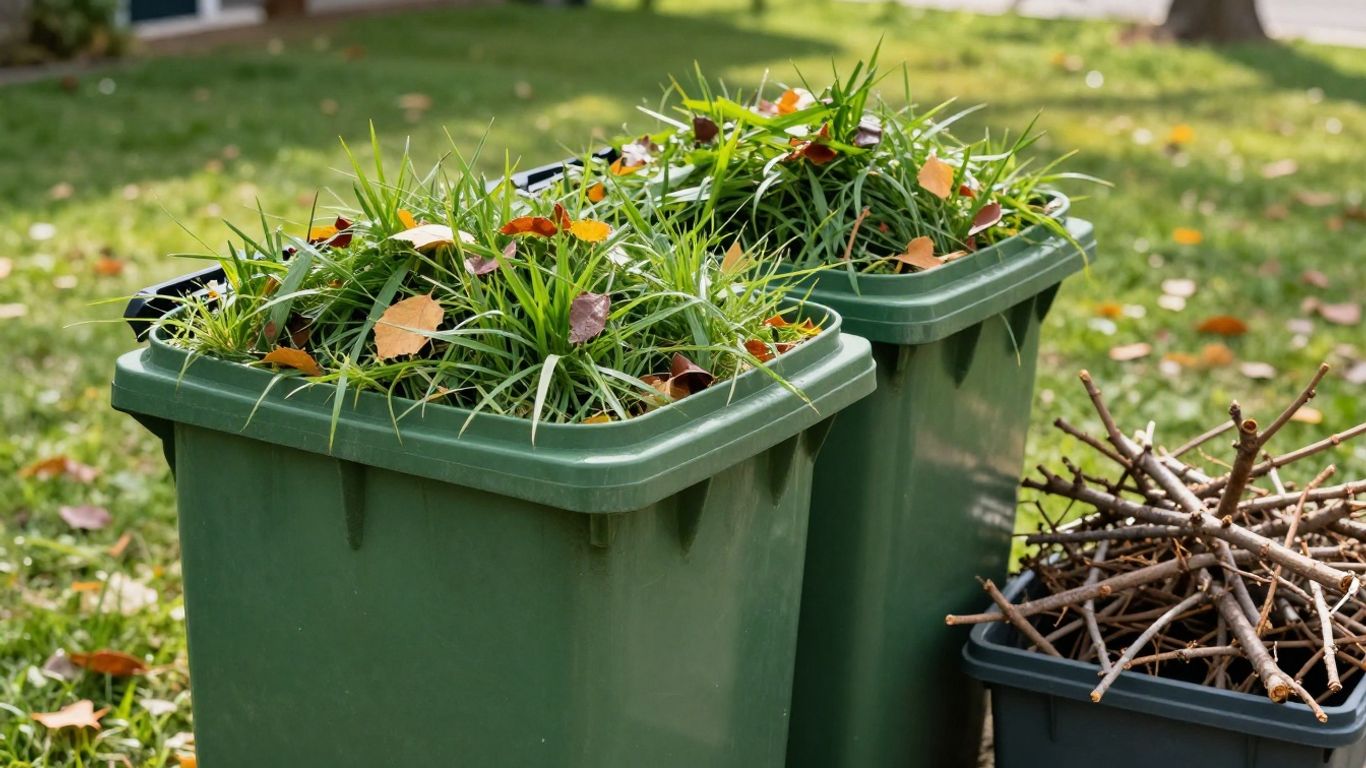
Getting your yard waste ready for collection in Ottawa is pretty straightforward, but a few simple steps can make a big difference. The main goal is to make sure everything is contained and easy for the collection crews to handle. This helps with the proper disposal of garden debris and keeps things moving smoothly.
Here’s what you need to know:
- Use Approved Bags: Stick to the official paper yard waste bags. These are designed to hold up when wet and can be easily processed. Avoid plastic bags entirely; they just don’t get picked up with yard waste.
- Keep it Contained: Make sure your bags aren’t too heavy. If they’re bursting at the seams, they can rip, and that makes a mess. Also, don’t overfill them to the point where they can’t be closed properly.
- Separate from Regular Garbage: Yard waste goes in its own designated bags. Don’t mix it with your regular household trash or recyclables. This is key for the composting process.
- Know What Goes In: Think leaves, grass clippings, small branches (tied securely if over a certain length, check city guidelines), and garden trimmings. Things like rocks, soil, or treated wood are a no-go.
The most important thing is to keep your yard waste contained in paper bags and separate from other waste streams. This simple rule helps ensure your garden debris gets composted correctly and doesn’t end up in the landfill.
Sometimes, you might have larger branches or more material than fits into a few bags. For these situations, it’s good to check the city’s website for specific instructions on bundling branches or if a special pickup might be needed. Planning ahead can save you a headache later.
Seasonal yard waste tips for Ottawa homeowners
As the seasons change here in Ottawa, so does the kind of yard waste we produce. Keeping up with it can feel like a chore, but a little planning goes a long way.
Spring cleanup often means dealing with last year’s leaves and fallen branches. Don’t let them pile up. If you’ve got a lot, consider breaking down larger branches into smaller pieces that fit easily into your yard waste bins or paper bags. Remember, the city has limits on how much you can put out at once, so spreading it out over a couple of collection days might be necessary.
- Early Spring: Focus on clearing out any lingering leaves from the fall and any winter debris that might have accumulated. Prune dead branches from trees and shrubs before new growth starts.
- Late Spring/Summer: This is prime time for grass clippings and garden trimmings. If you have a large lawn, you might need to bag clippings more frequently. Consider composting grass clippings to enrich your garden soil.
- Fall: The big one! Rake those leaves and collect fallen branches. Again, breaking down larger items is key. If you have an excessive amount, look into options for additional disposal beyond the regular curbside pickup.
- Winter: While less yard waste is produced, don’t forget about clearing snow and ice from walkways and driveways. While not technically ‘yard waste’ for collection, keeping paths clear is important for safety.
When dealing with larger amounts of yard waste, especially after a big storm or during peak fall cleanup, it’s good to know your options. Sometimes, the regular bins just won’t cut it.
If you find yourself with more yard waste than usual, like after a major storm or during the height of fall leaf drop, think about how you can break it down. Smaller pieces fit better, and sometimes, you might need to spread your collection over a couple of weeks. Checking the city’s website for specific guidelines on volume and bag limits is always a smart move before collection day.
Don’t forget about composting! It’s a fantastic way to handle grass clippings, leaves, and other organic materials right in your own backyard. It reduces what goes to the landfill and gives you nutrient-rich compost for your garden. If you’re not already composting, it’s definitely worth looking into. Many resources are available online to help you get started, even if you only have a small space.
What to do if your yard waste is not collected
So, you put your yard waste out on the curb, all bagged up nicely, and then… nothing. The truck just drives by. It’s frustrating, right? Especially when you’ve taken the time to sort it all out.
First things first, don’t panic. Sometimes things get missed, or maybe there was a mix-up with the schedule. Check the City of Ottawa’s collection calendar online to make sure it was actually a scheduled pickup day for your area. It’s easy to get dates mixed up, especially with holidays sometimes shifting things around.
If the date was correct, the next step is to report it. You can usually do this through the city’s website or by giving them a call. They’ll likely ask for your address and details about the missed pickup. It’s good to have your yard waste bags still accessible so you can point them out if needed.
Here’s a quick rundown of what to do:
- Verify the collection schedule: Double-check the official City of Ottawa waste collection calendar for your address. Sometimes, schedules change due to holidays or unforeseen circumstances.
- Wait a little longer: Give it an extra day. Sometimes collection routes run late, and your yard waste might be picked up the following day.
- Report the missed collection: If your yard waste is still there after an extra day, contact the city’s waste management services. You can usually do this online via the Service Ottawa portal or by phone.
- Note any specific issues: If you noticed anything unusual, like a blocked street or a problem with your bags, make a note of it to tell the city when you report the missed pickup.
If your yard waste collection was missed, it’s important to report it promptly. This helps the city track issues and ensures your waste is eventually collected. Don’t just leave it there indefinitely, as it can become a nuisance or attract pests. Reporting it is the most effective way to get the problem resolved.
Keep in mind that yard waste collection is seasonal, so make sure you’re putting it out during the designated times of year. If you consistently have issues, it might be worth looking into why. Are your bags too heavy? Are they placed correctly at the curb? Small adjustments can sometimes make a big difference.
When curbside yard waste collection is not enough
Sometimes, even with the best planning, you might find yourself with more yard waste than the regular curbside collection can handle. This can happen after a big storm, a major landscaping project, or if you’ve got a particularly large property. Don’t worry, there are still options to deal with that extra green stuff.
Bulk Item Collection
If your yard waste situation is part of a larger clean-up that includes bulky items like old furniture or appliances, you might be able to schedule a special pickup. The city offers a service for these larger items, but you usually need to book it in advance. This is a good way to clear out a lot at once without using up your regular collection limits on just one or two big things. It’s a practical solution for those bigger projects.
Private Waste Removal Services
For those times when you’ve got a mountain of yard waste, or a mix of yard waste and other unwanted items, hiring a private waste removal service is a solid choice. Companies specialize in taking away almost anything you need gone. This can be a lifesaver if you’re tackling a big garden overhaul or clearing out a shed and have more than you can manage with the city’s standard services. It might cost a bit more, but it can save you a lot of hassle and time.
Special Considerations and Exemptions
Ottawa does have some programs for specific situations. For instance, there are provisions for agricultural properties that generate unavoidable farm waste, like bale wrap and feed bags. During certain months, these properties might have no limit on setting out this type of waste. Also, for residents with specific medical needs or those caring for infants who produce medical waste, there are special considerations and expanded programs for non-hazardous medical waste. While these aren’t strictly for yard waste, they show the city’s willingness to adapt for unique needs, and it’s worth checking if any similar exceptions might apply to extreme yard waste scenarios, though it’s unlikely for typical yard debris. You can find more details on these special programs through the city’s solid waste services.
It’s always a good idea to check the city’s official website or contact their waste management department directly when you have unusual amounts or types of waste. They can provide the most current information on services, limitations, and any potential fees associated with extra pickups or special disposal methods. Planning ahead can prevent a lot of headaches on collection day.
What to do with excess yard waste:
- Check for Seasonal Programs: Keep an eye out for any special seasonal collection events or extended pickup periods the city might offer, especially after major storms.
- Consider Composting: If you have a large yard and generate a lot of yard waste regularly, investing in a backyard composter can significantly reduce the amount you need to put out for collection. It’s a great way to create nutrient-rich soil for your garden too.
- Rent a Small Trailer: For very large amounts, especially if you have a truck, renting a small trailer might be more cost-effective than multiple private pickups, allowing you to haul the waste to a designated drop-off site if available.
- Connect with Neighbors: If you have a lot of waste and a neighbor has very little, perhaps a cooperative effort could be arranged, though this requires good communication and trust. This is a less common but sometimes workable solution for shared community needs.
Remember, the goal is to manage your waste responsibly. When curbside collection isn’t quite enough, these alternative methods can help you keep your property tidy and comply with local regulations.
Sometimes, the regular pickup for yard waste just doesn’t cut it, especially after a big storm or during busy seasons. When you have more branches, leaves, or garden scraps than usual, you need a solution that goes beyond the weekly bin. Don’t let excess yard debris pile up and become a hassle. Visit our website today to learn about our convenient and affordable junk removal services that can handle all your yard waste needs, big or small!
Frequently Asked Questions
What happens if I put out more than three garbage items?
In Ottawa, there’s a limit of three garbage items you can put out for collection. If you have more, you can buy special yellow bags to count as extra items. Initially, the city might give you a warning tag, but after a certain period, excess items might not be picked up, and you could even face fines, especially for illegal dumping.
Can I put out unlimited recycling and compost?
Yes, you can put out as much recycling and compost as you need! The three-item limit only applies to regular garbage. So, make sure to use your blue bin for recyclables and your green bin for food scraps and compostable items to keep your regular garbage down.
Where can I buy the special yellow bags?
Yellow bags, which count as extra garbage items, can be purchased at certain hardware stores and city service centers. The city is looking into making them more available, but for now, check with your local participating retailers.
What if my apartment building shares a garbage area with neighbors?
Dealing with shared garbage areas can be tricky. The city is working with property managers to find solutions, which might include providing larger bins for the whole building. The goal is to make sure everyone follows the rules without causing problems or encouraging illegal dumping.
What should I do with large items like furniture or appliances?
For big items that won’t fit in your regular bins, 613 Bins recommends scheduling a special pickup and checking the city’s guidelines for bulky waste collection. In some cases, donating usable items to local charities is also a responsible and eco-friendly way to dispose of them.
How can I avoid putting the wrong things in my bins?
It’s important to sort your waste correctly. Make sure you know what goes in the recycling bin, what goes in the green bin for composting, and what’s considered regular garbage. If you’re unsure about an item, the city’s Waste Explorer tool online is a helpful resource to figure out where it belongs.
How often is compost collected in Ottawa based on Ottawa compost rules?
In Ottawa, compost is collected every two weeks. To ensure your green bin is picked up, place it at the curb on your scheduled collection day and follow Ottawa’s compost rules to prevent missed pickups and keep composting effective.